📚 Study Resource

Arthropod overview

Free Article

Enhance your knowledge with our comprehensive guide and curated study materials.

Mar 21, 2026 PDF Available

Topic Overview

Arthropods Overview


General Characteristics

Arthropods are ancient, highly diverse organisms with the following features:

  • Segmented bodies

  • Paired, jointed appendages (legs and antennae)

  • Exoskeleton

  • Bilateral symmetry

Life Cycle

  • Growth occurs via molting through stages:

    • Egg

    • Larva or nymph

    • Adult

  • Represent the most diverse phylum, with most species in:

    • Class Insecta


Classification

1. Mandibulates (with antennae)

  • Insects

  • Chilopoda (centipedes)

  • Diplopoda (millipedes)

2. Chelicerates (without antennae)

  • Scorpions

  • Spiders

  • Mites


https://images.openai.com/static-rsc-3/4j_daOmbe84c9Hdd0gwR3dgS4dN-hCI1j8PlvVXHw1pIuVhEV7IGEbzAFn19AmjLNm9kcZ_8r3vNQItrUvLxzI8U-wqh7_CU7nmNwkbEsAE?purpose=fullsize&v=1


https://images.openai.com/static-rsc-3/VpvXSJxqr-DlTPUtTifu49qaSpKNoqS27DUhR4KHu7tTiP3GLShU9s8Ek7nUBstP6_Qr5cTIZhqCvkmkSWp3tlnCoqZftQewsJCQlroKEzY?purpose=fullsize&v=1


https://images.openai.com/static-rsc-3/2YlZqpchJT4LMqeVVAQQOOHJDCeI2FR8St6TQXVQa8qslFVgmPBHYpbdHmz7VDKl0knpAdv6hyiAWlPG9lFWOdtKEqyJB-Ui-zBIm_G1fcI?purpose=fullsize&v=1

4


Pathophysiology


1. Mechanical Trauma

  • Occurs due to:

    • Puncture or laceration during skin penetration

  • Depends on mouthparts

Blood-feeding Types

  • Vessel feeders:

    • Mosquitoes

    • Lice
      → Direct capillary feeding

  • Pool feeders:

    • Stable flies
      → Tear skin and feed on pooled blood


2. Injection of Substances

  • Injected during feeding or stinging:

    • Irritants

    • Cytotoxic agents

    • Pharmacologically active substances (histamine, enzymes)


3. Injection of Allergens

  • Host immune response to:

    • Salivary proteins

    • Venom antigens

  • Leads to:

    • Papular hypersensitivity

    • Systemic allergic reactions


4. Secondary Infection

  • Due to:

    • Scratching

    • Direct inoculation of bacteria


5. Tissue Invasion

  • Certain arthropods (e.g., flies) cause:

    • Myiasis (larval invasion of tissues)


6. Contact Reactions

  • Caused by:

    • Secretions

    • Body fragments

  • May be:

    • Irritant

    • Allergic


7. Reactions to Retained Mouthparts

  • Example:

    • Tick bites

  • Can lead to:

    • Granulomatous inflammation


8. Transmission of Diseases

  • Arthropods act as vectors for major diseases:

  • Mosquitoes → Malaria

  • Lice → Typhus

  • Sandflies → Leishmaniasis


9. Environmental and Social Factors

  • Exposure influenced by:

    • Habitat

    • Clothing

    • Occupation

    • Animal contact

  • Increased risk with:

    • Overcrowding

    • Poor housing conditions


Clinical Features

  • Spectrum ranges from:

    • Asymptomatic bites

    • Pruritic papules

    • Urticarial wheals

  • Severe reactions:

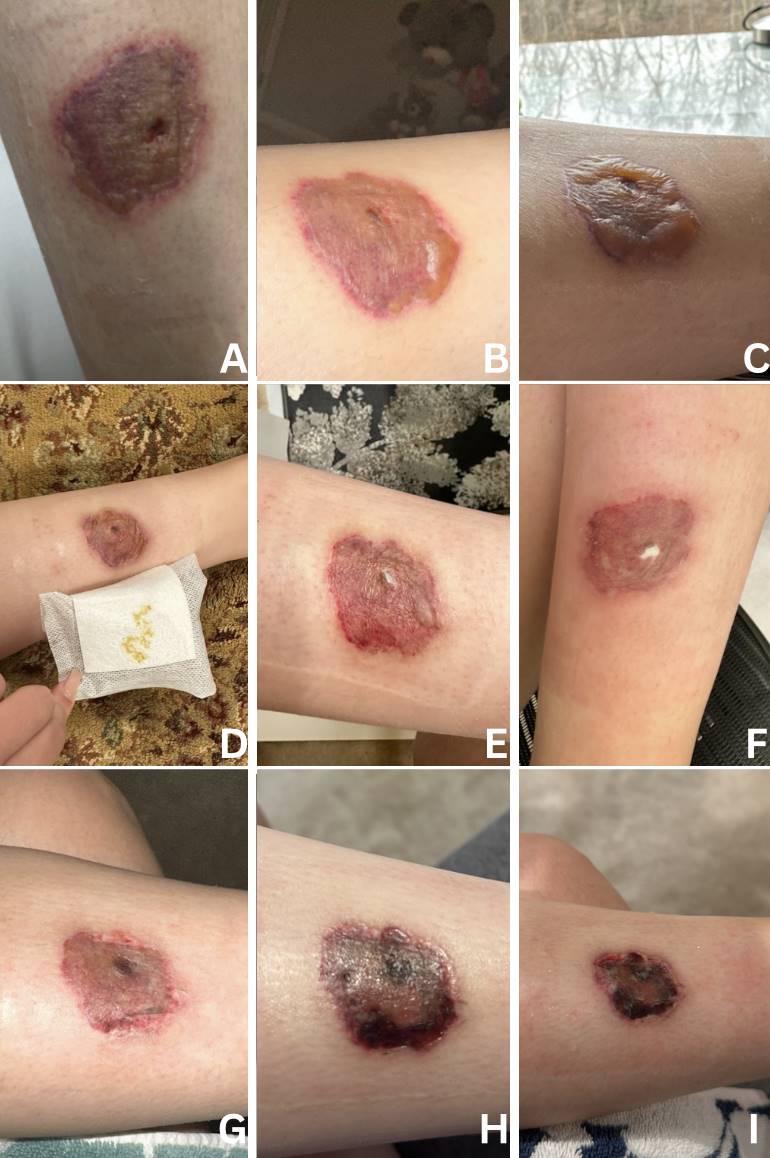
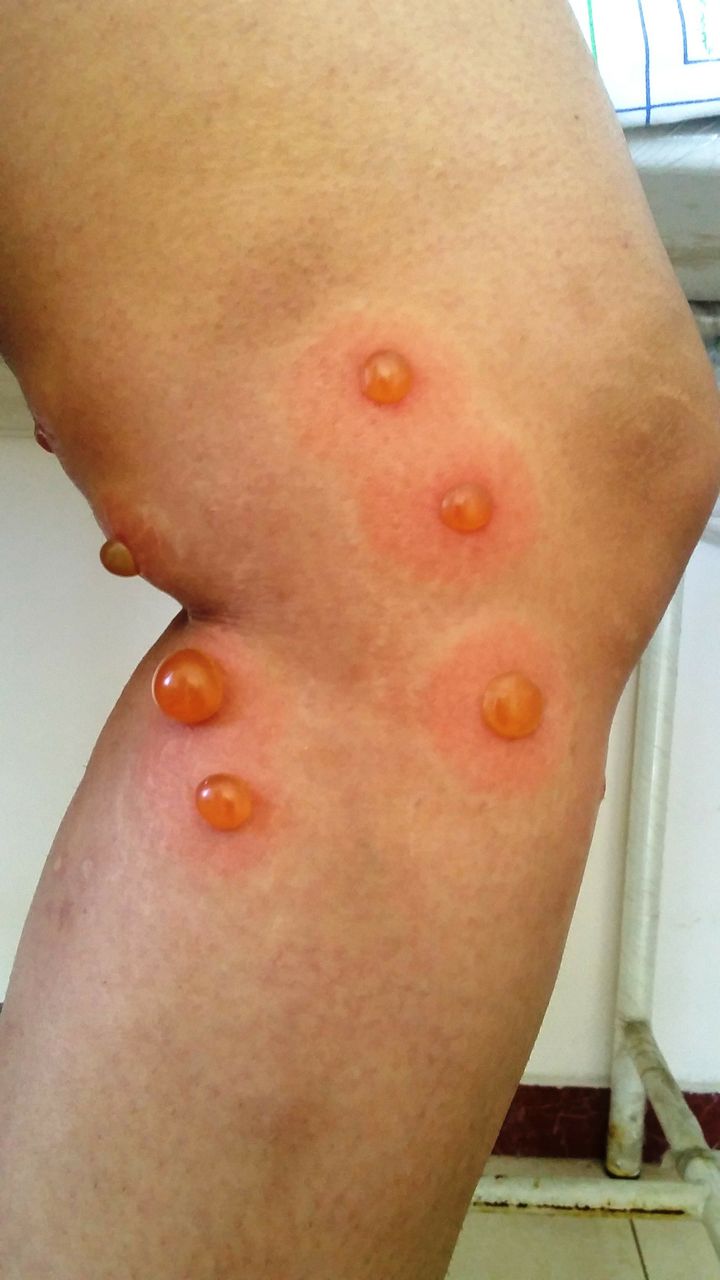
    • Bullous lesions

    • Localized necrosis

    • Systemic hypersensitivity


https://images.openai.com/static-rsc-3/TLmXzV3UBNafYP0LmBPVW9AQMNkrGuQZlX5wObiTAk32nEIHXtTobcGGqnV2tLb5WiJntZoPM_Urhp1DNWqakUZSiKAJXMubHKTHSG3ohTg?purpose=fullsize&v=1


https://casereports.bmj.com/content/bmjcr/11/1/e228079/F1.large.jpg


https://html.scirp.org/file/1450393-rId15.jpeg?20250617034653=

4


Investigations

  • Based on identification of arthropod source

Methods

  • Examination of:

    • Skin lesions

    • Environment

  • Collection of specimens from:

    • Animals

    • Bedding

    • Household surroundings


Management


1. Prevention

  • Insect repellents:

    • DEET

    • Citronella

  • Protective measures:

    • Protective clothing

    • Insecticide-treated nets


2. Treatment

  • Local care:

    • Wound cleaning

    • Removal of retained parts

  • Medications:

    • Topical corticosteroids

    • Antihistamines

    • Systemic therapy (if severe)

  • Antibiotics:

    • For secondary infection

  • Specific therapy:

    • Antivenom (if envenomation)

    • Tetanus prophylaxis when indicated


3. Supportive Measures

  • Pain relief:

    • Ice packs

    • Analgesics

  • Allergy management:

    • Desensitization therapy (in selected cases)


Key Takeaways

✔ Arthropods are diverse organisms with medical importance
✔ Cause disease via bites, stings, allergens, and infection transmission
✔ Reactions range from mild papules to severe systemic responses
✔ Prevention (repellents, nets) is crucial
✔ Treatment includes symptomatic care, antibiotics, and antivenom when needed


Arthropod-Related Skin Disorders – Clinical Features, Investigations, and Management


Clinical Features


Local Reactions

  • At the bite/sting site:

    • Redness

    • Swelling

    • Pain

  • Skin lesions:

    • Papules

    • Wheals

    • Vesicles

    • Bullae

  • Varies depending on:

    • Type of arthropod

    • Host immune response


https://www.researchgate.net/publication/369842021/figure/fig10/AS%3A11431281210397200%401702046567703/Multiple-urticarial-and-excoriated-papules-due-to-insect-bite-reactions.tif


https://casereports.bmj.com/content/bmjcr/11/1/e228079/F1.large.jpg


https://casereports.bmj.com/content/bmjcr/12/11/e232791/F1.large.jpg

4


Systemic Reactions

  • Allergic manifestations:

    • Urticaria

    • Angioedema

    • Anaphylaxis (severe cases)

  • Vector-borne disease features:

    • Fever

    • Rash

    • Organ-specific symptoms


Chronic Manifestations

  • Persistent:

    • Pruritus

    • Granulomas

    • Ulcers

    • Necrotic lesions

  • Secondary bacterial infection:

    • Cellulitis

    • Abscess formation


Special Features (Arthropod-Specific)

Ticks

  • Local pruritus

  • Retained mouthparts

  • Erythema migrans (Lyme disease)

Mites

  • Burrows

  • Intense itching (scabies)

Flies

  • Myiasis:

    • Larval invasion of tissues


https://images.openai.com/static-rsc-3/N7e-gsr2Mn9aRY5fjZ7v0NUKtCZWFBdJxH1h-FaJiVvvDbPLW3QR5bxJlHiJuvP5fDqIJzerDupQJvhHeNoQhGeo1XCnf4UF3SloDh3kdyM?purpose=fullsize&v=1


https://upload.medbullets.com/topic/120061/images/scabies_hand07.jpg


https://www.researchgate.net/publication/274398549/figure/fig3/AS%3A282613118980130%401444391626443/A-typical-skin-lesion-of-Dermatobia-hominis.png

4


Investigations


1. History and Clinical Examination

  • Identify:

    • Arthropod exposure

    • Environmental risk factors

    • Symptom pattern


2. Specimen Collection

  • Examine:

    • Arthropods or fragments from:

      • Skin

      • Clothing

      • Bedding

      • Surroundings


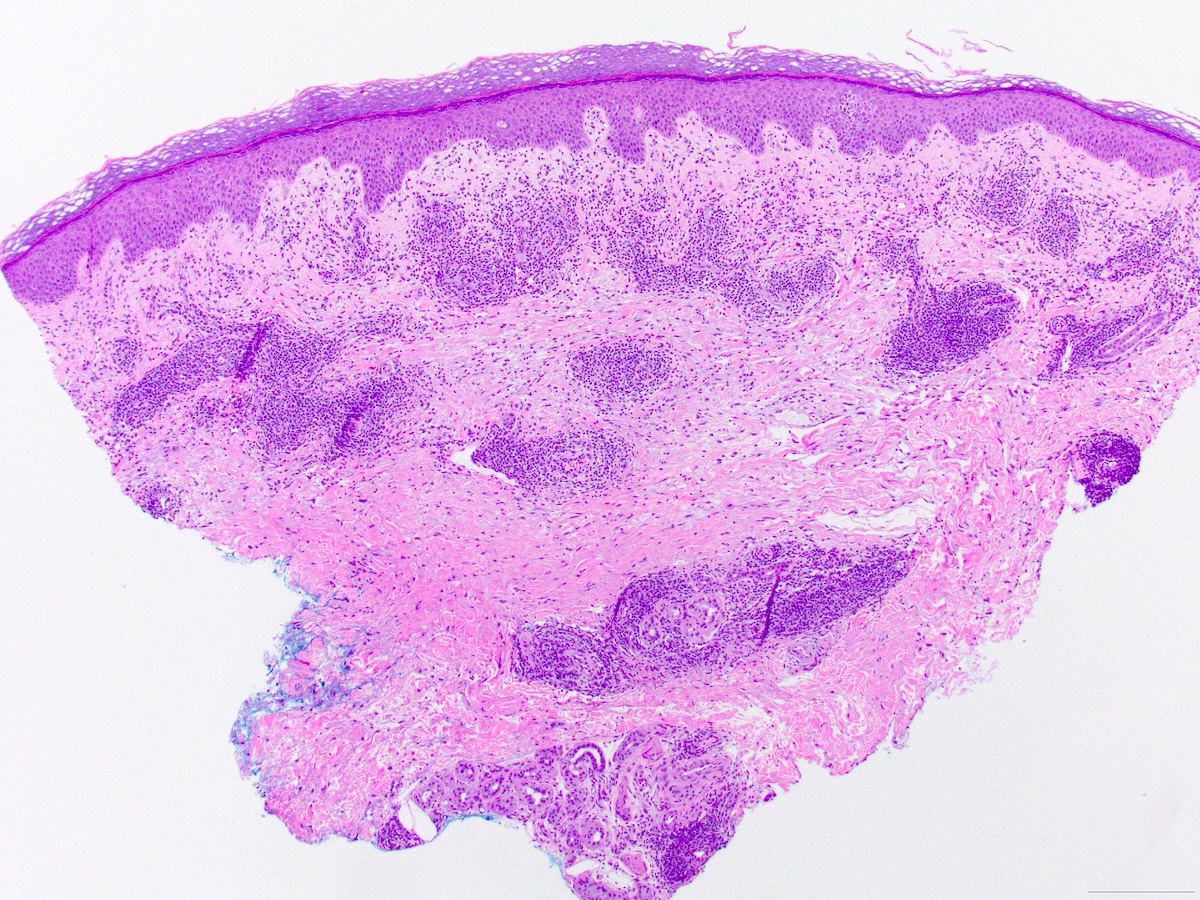
3. Histopathology

  • Skin biopsy may show:

    • Arthropod parts

    • Characteristic inflammatory patterns


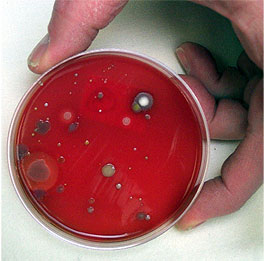
4. Microbiological Tests

  • Culture:

    • Detect secondary bacterial infection


5. Serological Tests

  • For vector-borne diseases:

    • Lyme disease

    • Malaria


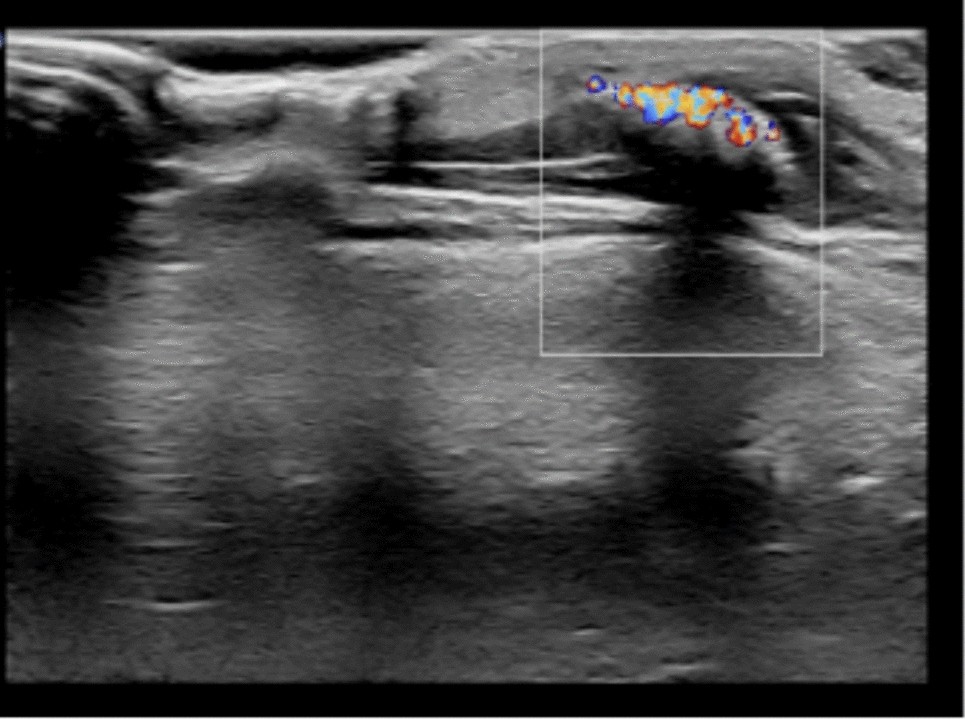
6. Imaging

  • Useful in:

    • Myiasis

    • To locate larvae within tissues


https://media.springernature.com/lw1200/springer-static/image/art%3A10.1007%2Fs40477-024-00915-7/MediaObjects/40477_2024_915_Fig3_HTML.jpg


https://www.pathologyoutlines.com/imgau/skinnontumorarthropodMicroRohr4.jpg


https://www.sciencecompany.com/Assets/Bacteria-Growth-Agar-TSA.jpg

4


Management


General Management


1. Wound Care

  • Clean with:

    • Antiseptics

  • Remove:

    • Retained mouthparts

    • Arthropod remnants


2. Symptomatic Relief

  • Cold compresses → reduce swelling

  • Antihistamines → relieve pruritus

  • Corticosteroids:

    • Topical (mild–moderate)

    • Systemic (severe cases)


3. Treatment of Secondary Infection

  • Topical or oral antibiotics

  • For:

    • Cellulitis

    • Abscess


Specific Treatment


1. Envenomation

  • Antivenom:

    • Severe snake or spider bites


2. Larval Removal (Myiasis)

  • Manual extraction

  • Occlusion techniques:

    • Petroleum jelly

    • Topical agents
      → Suffocate larvae before removal


3. Treatment of Vector-Borne Diseases

  • Based on causative organism:

    • Antimalarials

    • Antibiotics

    • Antivirals


Prevention


Insect Repellents

1. Chemical Repellents

  • DEET (N,N-diethyl-meta-toluamide)

  • Picaridin

  • IR3535


2. Natural Repellents

  • Citronella oil

  • Eucalyptus oil

  • Neem oil (less effective)


3. Usage Guidelines

  • Apply to:

    • Exposed skin

    • Clothing

  • Avoid:

    • Damaged skin

    • Eyes and mouth


General Prevention


1. Protective Measures

  • Wear:

    • Long sleeves

    • Full-length clothing

  • Use:

    • Insecticide-treated nets (especially in malaria-endemic areas)


2. Environmental Control

  • Eliminate:

    • Standing water (mosquito breeding)

  • Maintain:

    • Clean surroundings

    • Use of pesticides


3. Public Awareness

  • Education on:

    • Arthropod risks

    • Preventive strategies


Key Takeaways

✔ Arthropod reactions range from local papules to systemic anaphylaxis
✔ Chronic cases may lead to granulomas, ulcers, or infections
✔ Diagnosis relies on history + identification of arthropod source
✔ Management includes symptomatic care, infection control, and specific therapy
✔ Prevention (repellents, clothing, environmental control) is essential


Ready to study offline?

Get the full PDF version of this chapter.