Exam-Oriented Notes on Psychodermatology and Psychocutaneous Disease
Introduction


4
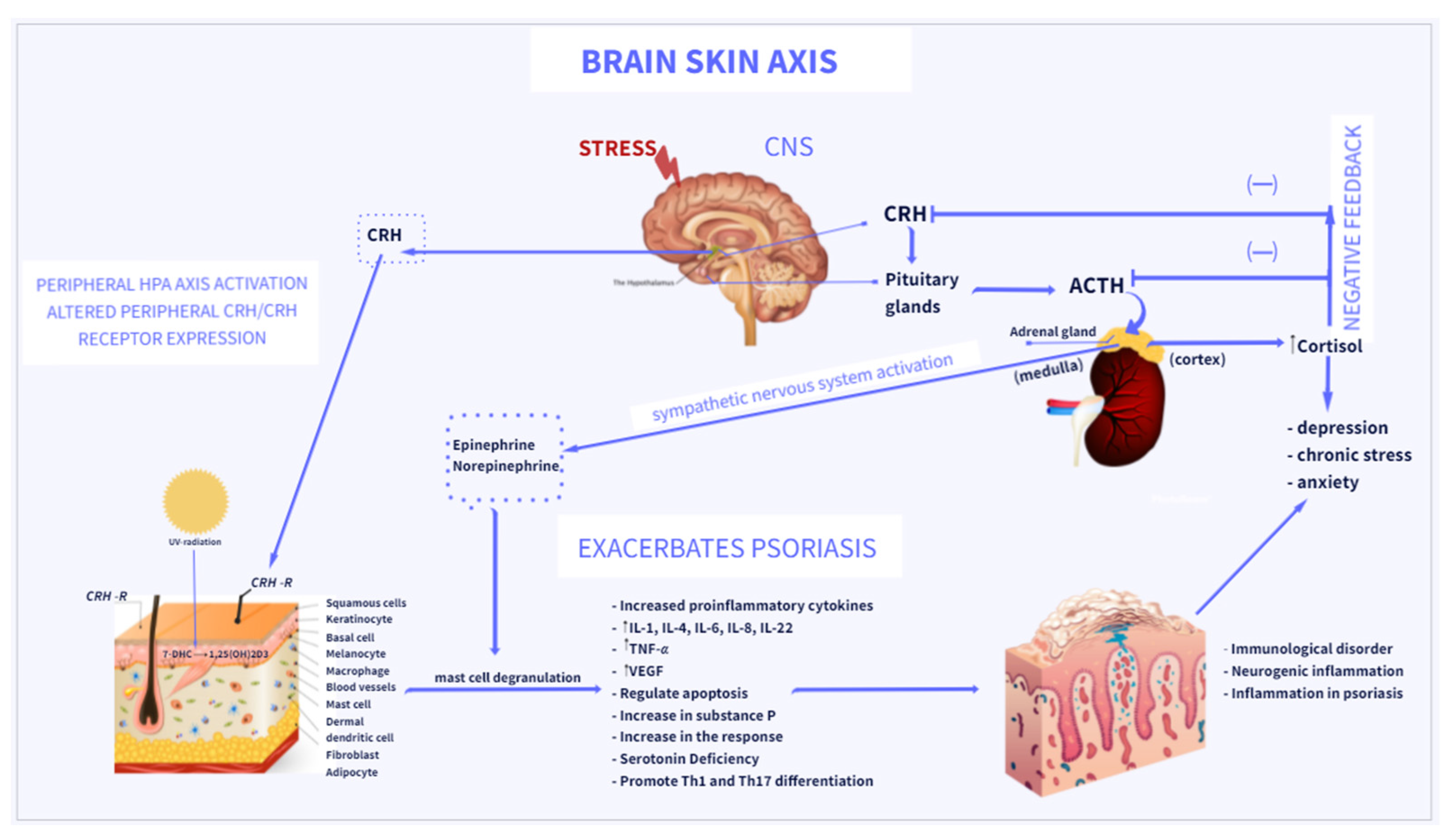
Psychodermatology is a subspecialty that examines the interaction between the skin and psychological conditions.
The skin has been called the "mirror of the mind" due to its connection with stress, emotions, and neurological function.
Patients with psychodermatological disorders often avoid psychiatric clinics, leading to the development of psychodermatology as a distinct discipline.
What is Psychodermatology?

4
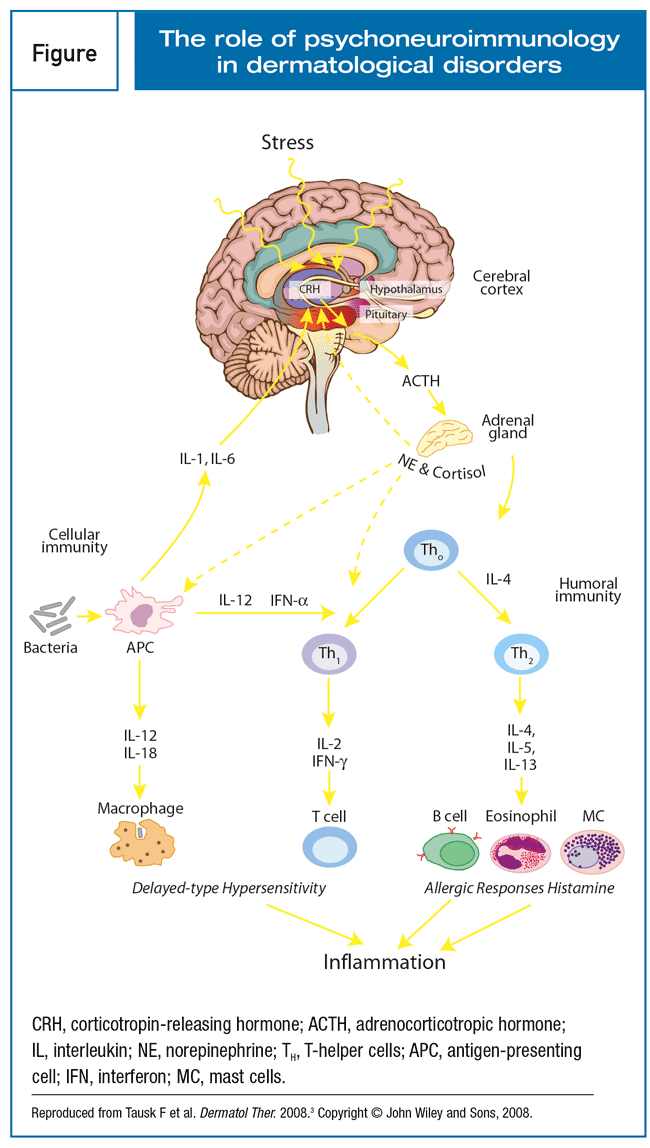
Psychodermatology deals with conditions that lie at the interface of dermatology and psychiatry.
Four major types of skin–psyche interactions
-
Primary skin disorders influenced by psychological factors
(e.g., psoriasis, eczema).
-
Primary psychiatric disorders presenting to dermatologists
(e.g., delusional infestation, body dysmorphic disorder).
-
Psychiatric illnesses developing due to skin disease
(e.g., depression and anxiety following chronic skin conditions).
-
Coexistence of skin and psychiatric disorders
(e.g., alcoholism with seborrheic dermatitis).
Psychodermatology Multidisciplinary Teams



4
Management often requires collaboration between dermatologists and mental health professionals.
A psychodermatology multidisciplinary team (MDT) can improve outcomes.
Specialists involved in psychodermatology MDT
-
Dermatologists
-
Psychiatrists
-
Psychologists
-
Dermatology nurses
-
Pediatricians
-
Geriatricians
-
Social workers
-
Trichologists
-
Primary care physicians
-
Patient advocacy groups
Models of Provision of Psychodermatology Services


4
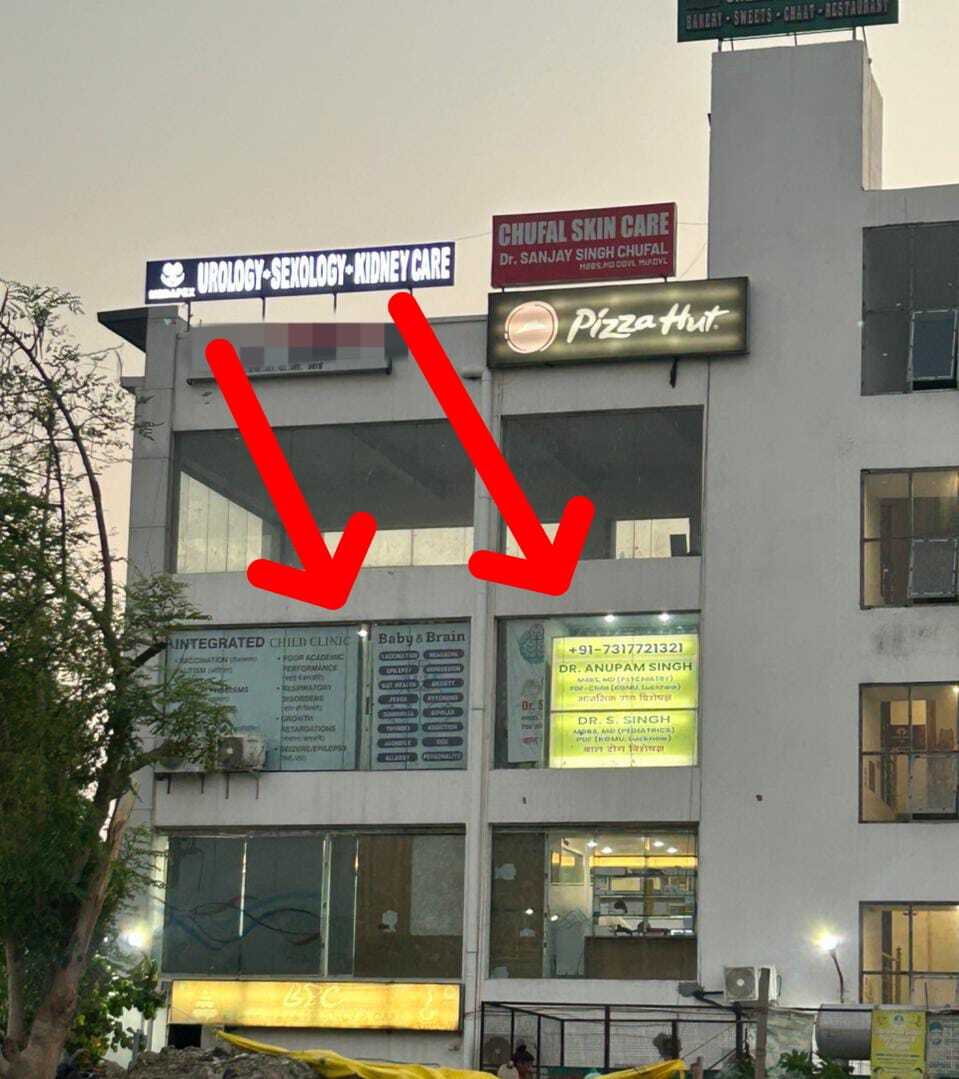
Different models exist based on collaboration between dermatologists and psychiatrists:
-
Dermatologist refers to a psychiatrist/psychologist in an external setting.
-
Remote psychiatric consultation (telemedicine support).
-
Psychiatrist sits within the dermatology clinic
(most integrated model).
-
Dermatologist with psychologist as an adjunct provider
(psychologists usually work independently).
Classification of Psychodermatological Disorders


4
Classification is complex and relies on DSM-5 (Diagnostic and Statistical Manual of Mental Disorders) and ICD-10/11 (International Classification of Diseases).
-
DSM-5 provides criteria for psychiatric disorders.
-
ICD-10/11 classifies all diseases, including psychodermatological conditions.
Psychological Comorbidities of Chronic Skin Disease and the ‘Golden Rules of Psychodermatology’


4
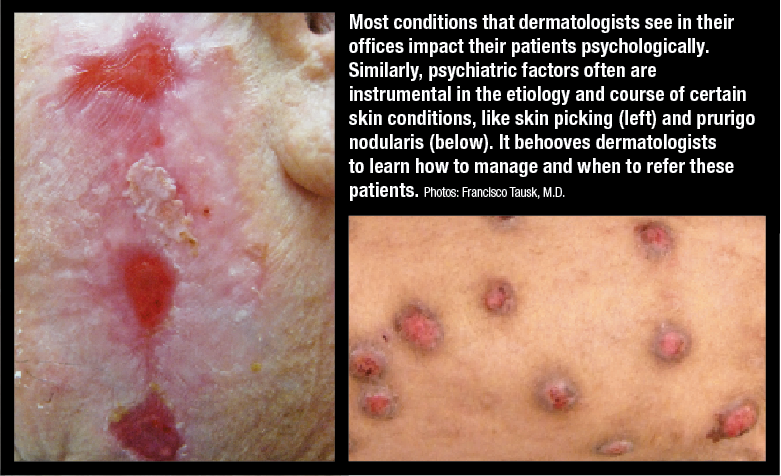
Psychological stress can trigger or exacerbate skin disease.
Mental health assessment should be integrated into dermatological treatment.
Golden Rules of Psychodermatology
Stigmatization, Visible Differences, and Coping Strategies



4
Skin diseases can cause significant stigma and emotional distress.
Social consequences of visible skin conditions
-
Avoidance of social situations
-
Bullying and discrimination
-
Reduced self-esteem
-
Impaired interpersonal relationships
Coping strategies
-
Psychological counseling and support groups
-
Cognitive-behavioral therapy (CBT) for self-image improvement
-
Education and public awareness campaigns
Disability, Quality of Life, and Assessment in Psychodermatology


4
Chronic skin diseases affect patients' quality of life (QoL), often more than other chronic conditions.
QoL assessment tools
Psychometric tests can be used to evaluate depression, anxiety, and social impairment in dermatology patients.
Summary
-
Psychodermatology focuses on the relationship between skin diseases and mental health.
-
MDT approach improves patient outcomes.
-
Golden rules emphasize treating skin and psychological conditions together.
-
Stigmatization and quality of life issues require psychological support.
-
QoL assessment tools aid in patient management.
Exam-Oriented Notes on Delusional Beliefs, Delusional Infestation, Olfactory Delusions, and Morgellons Syndrome
Delusional Beliefs
Introduction and General Description

4
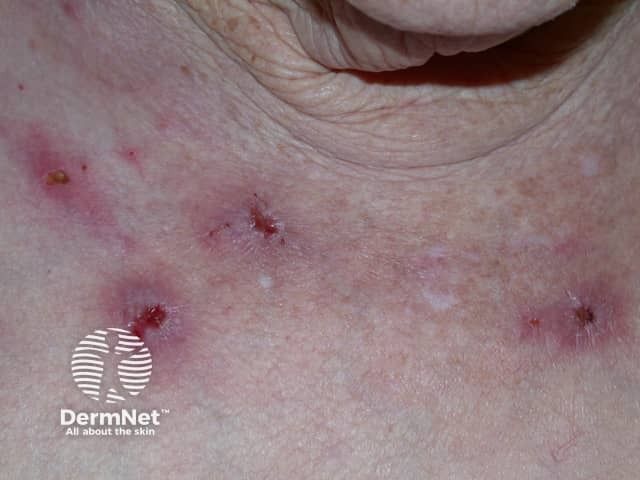
Delusional beliefs are false, unshakeable convictions that arise from internal psychological processes.
These beliefs are not influenced by logic and are inconsistent with the person's cultural and educational background.
Types of Delusional Beliefs
Primary delusions
Secondary delusions
Patients may exhibit variable intensity in holding their delusions; some are more responsive to reasoning than others.
Delusional Infestation
Definition and Overview

4
Also known as:
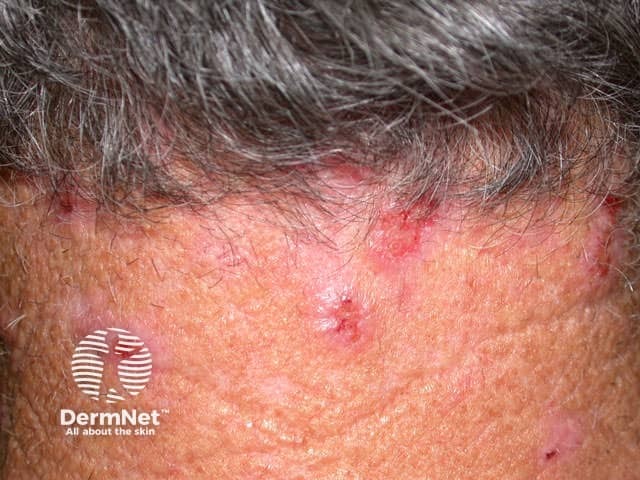
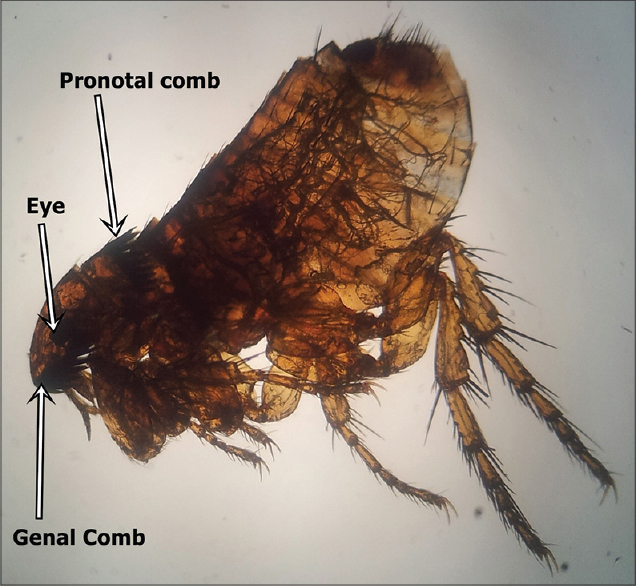
Patients firmly believe they are infested with parasites, bacteria, insects, or other animate material despite medical evidence disproving their claims.
Epidemiology
-
Estimated incidence: 17 per million people per year.
-
Peak age: Around 50 years.
-
Gender distribution: More commonly reported in women
(Male:Female ratio of 1:2.5).
Clinical Features
Matchbox Sign or Specimen Sign
Patients bring debris, skin particles, or objects they believe are parasites to doctors as “proof.”
Skin lesions
-
Result from excessive scratching, picking, and use of harsh cleaning agents.
-
Secondary bacterial infections are common.
Management

4
First-Line Treatment
Atypical antipsychotics:
-
Risperidone (0.5–4 mg/day)
-
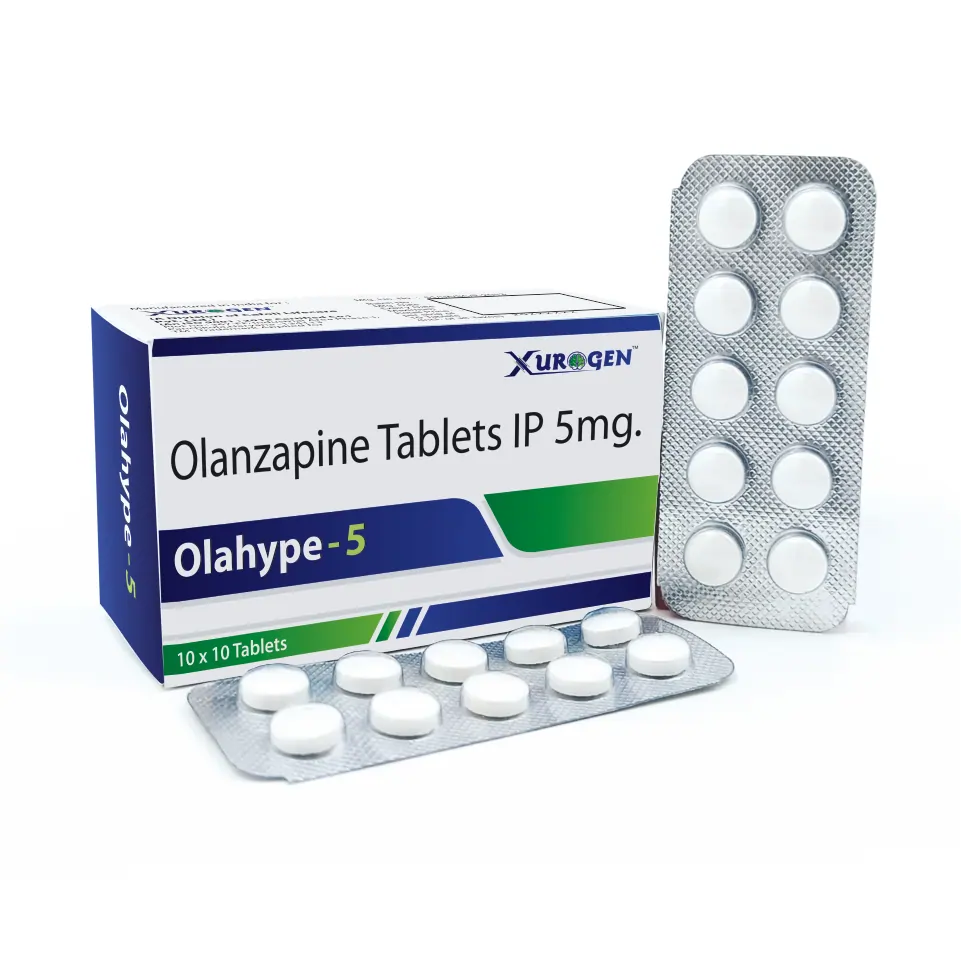
Olanzapine (2.5–10 mg/day)
-
Quetiapine (25–100 mg/day)
-
Aripiprazole (5–15 mg/day)
Additional care:
Second-Line Treatment
-
Haloperidol or Pimozide (reserved for severe cases)
-
Tricyclic antidepressants (e.g., Amitriptyline) for associated pruritus
Third-Line Treatment
Olfactory Delusions
Definition and Overview

4
Also called:
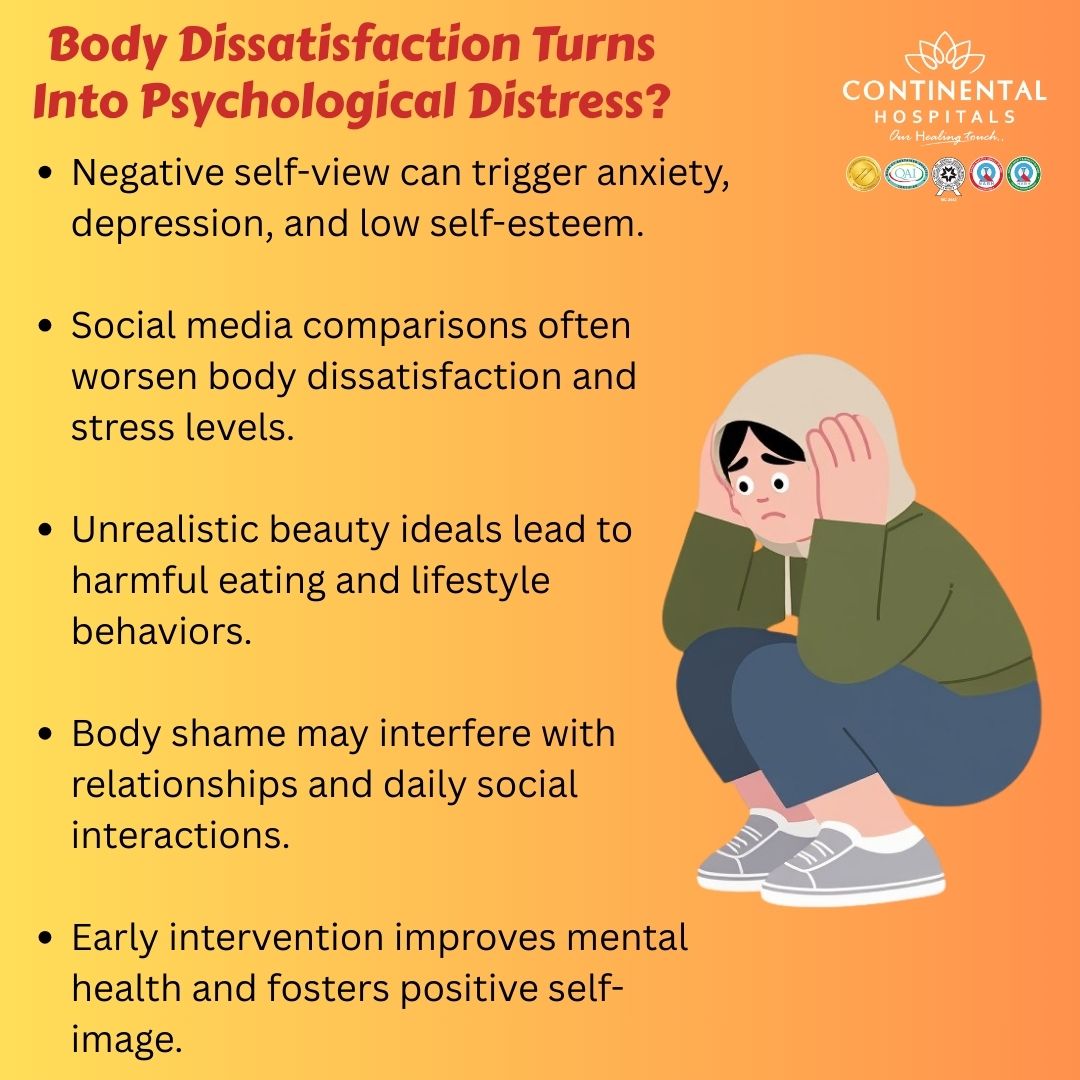
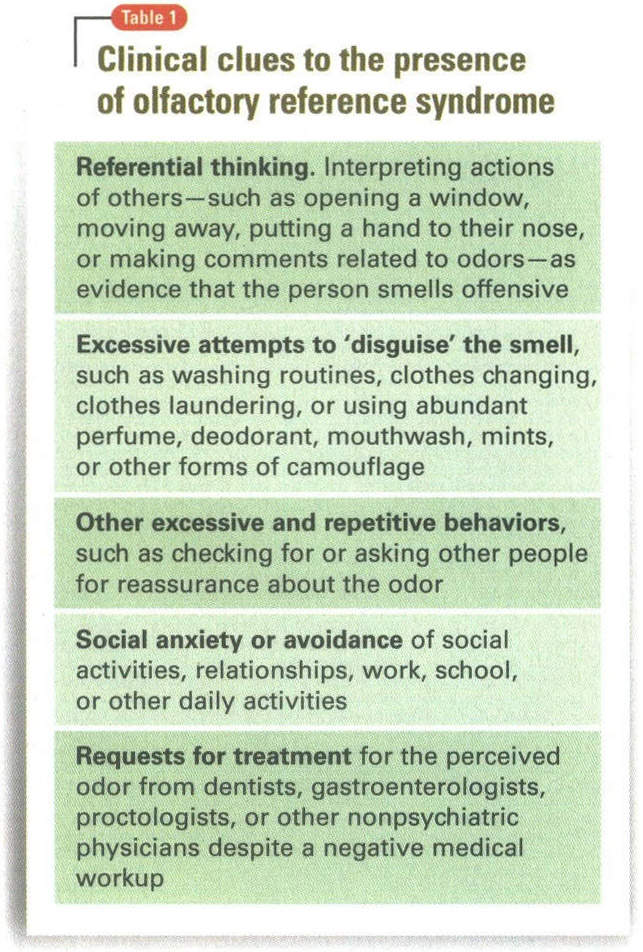
Patients believe they emit a foul odor, which leads to compulsive washing, social withdrawal, and severe distress.
Epidemiology
Can be associated with:
-
Body dysmorphic disorder (BDD)
-
Obsessive-compulsive disorder (OCD)
-
Dementia or temporal lobe epilepsy
Clinical Features
Repetitive behaviors
Patients may become fixated on others’ reactions, for example:
Associated psychiatric symptoms
-
Depression
-
Anxiety
-
Paranoia
Management


4
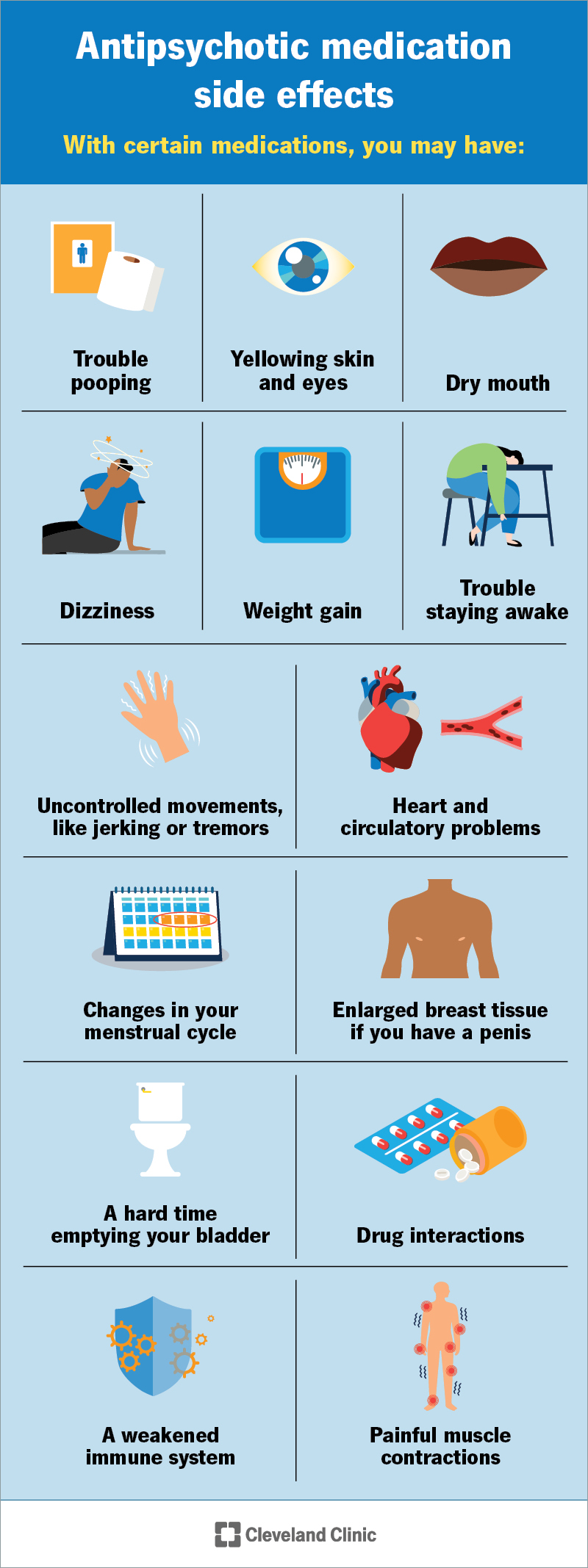
First-Line Treatment
Selective Serotonin Reuptake Inhibitors (SSRIs):
-
Fluoxetine
-
Sertraline
-
Paroxetine
Additional measures:
Second-Line Treatment
Third-Line Treatment
Morgellons Syndrome
Definition and Overview


4
Morgellons syndrome is a controversial condition in which patients believe that fibers, threads, or foreign materials are emerging from their skin.
Many experts consider it a variant of delusional infestation, although patients strongly attribute the condition to infectious or environmental causes.
Clinical Features
-
Patients report crawling sensations, itching, and skin discomfort.
-
Presence of fibers or particles in skin lesions, often collected by patients as evidence.
-
Skin lesions usually result from scratching and picking.
-
Patients frequently report fatigue, cognitive difficulties, and chronic skin irritation.
Management
-
Atypical antipsychotics may be used similarly to delusional infestation.
-
Dermatologic care to treat secondary skin lesions and infections.
-
Psychological counseling to improve insight and coping strategies.
Summary
-
Delusional beliefs are persistent false convictions resistant to logical reasoning.
-
Delusional infestation involves a fixed belief of parasite infestation despite lack of evidence.
-
Olfactory delusions involve belief of emitting foul odors leading to social withdrawal.
-
Morgellons syndrome is often considered a variant of delusional infestation with reported fibers emerging from the skin.
-
Management combines dermatologic care, psychiatric treatment, and psychological support.
Exam-Oriented Notes on Morgellons Syndrome
Definition and Overview


4
First described in 2001, this disorder is named after a 17th-century description of a hairy skin condition.
Patients believe their skin contains fibers, parasites, or unidentified objects, leading them to obsessively pick at their skin.
It is often linked to delusional infestation, but many patients insist it is a real dermatological condition.
Clinical Features
-
Crawling or stinging sensations under the skin.
-
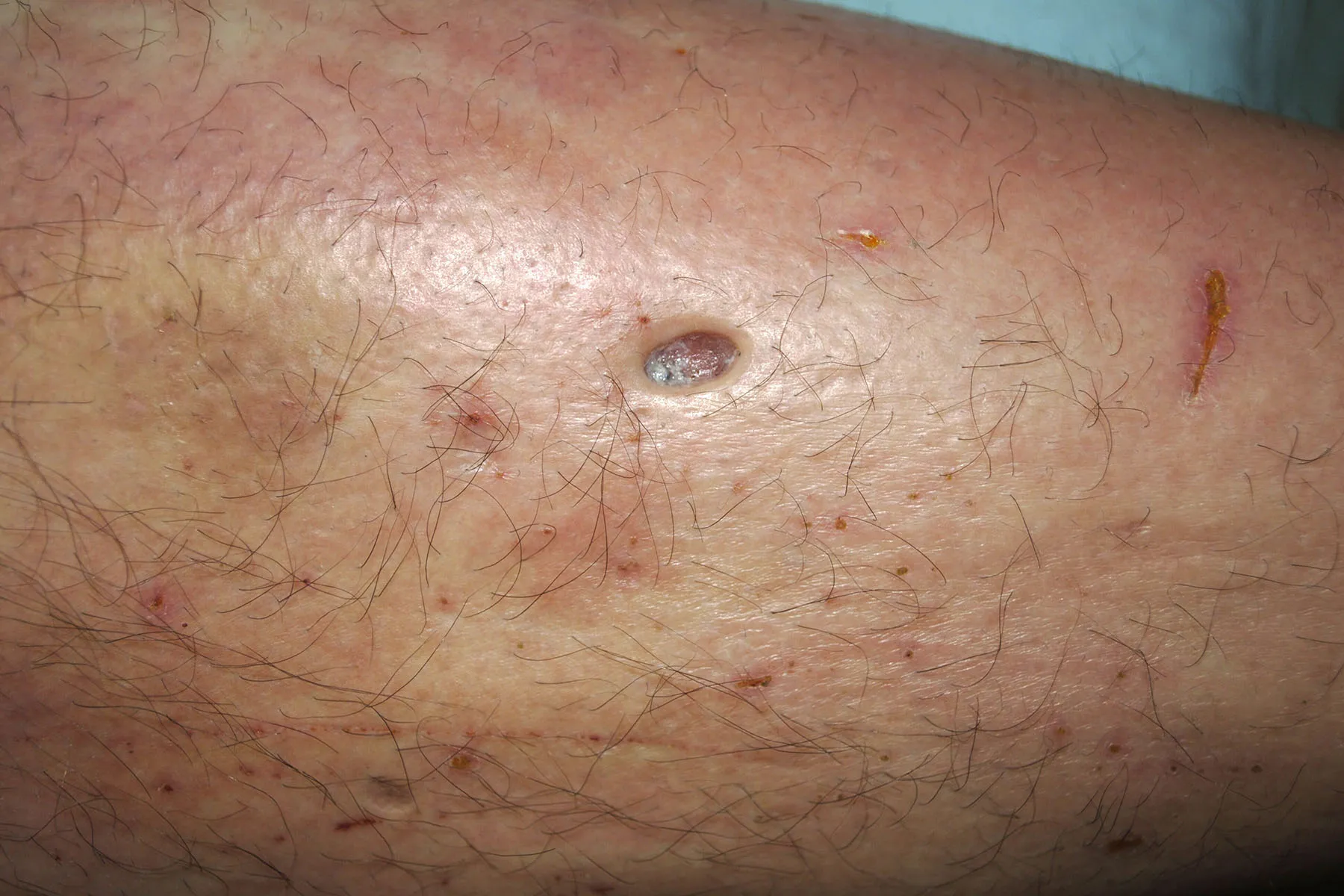
Non-healing sores with embedded fibers or granules.
-
Chronic fatigue, muscle pain, and cognitive dysfunction.
-
Some patients develop secondary depression or anxiety.
Pathophysiology


4
The exact cause is unknown, but it is often associated with:
-
Lyme disease
-
Substance use disorder
The Centers for Disease Control and Prevention (CDC) found no evidence of an infectious cause, suggesting it is a delusional disorder.
Management

First-Line Treatment
Second-Line Treatment
Third-Line Treatment
Summary
-
Delusional infestation involves false beliefs of being infested with parasites, often leading to severe self-inflicted skin damage.
-
Olfactory delusions cause patients to obsessively believe they emit a foul odor, leading to compulsive washing and social withdrawal.
-
Morgellons syndrome presents with non-healing sores and embedded fibers, but lacks medical evidence of infection.
-
Management of all these conditions requires a combination of antipsychotic medications, behavioral therapy, and dermatological care.
Exam-Oriented Notes on Obsessive and Compulsive Behaviour in Psychodermatology
Introduction
4
Obsessive-compulsive behaviour (OCB) is common in dermatology patients, with up to 25% prevalence.
Forms of dermatological OCD-related disorders
General Principles of Treatment
Empathy and Support


4
Identify Underlying Causes
Avoid Invalidating the Patient
Psychotherapy


4
Habit Reversal Therapy
Medications


4
-
SSRIs (Fluoxetine, Sertraline, Paroxetine) are first-line treatments.
-
Higher doses may be necessary (effects seen after 4–6 weeks).
-
Clomipramine and Doxepin can be alternatives.
Multidisciplinary Approach
Integrated Skin and Psychological Treatment
Exam-Oriented Notes on Body Dysmorphic Disorder (BDD)
Definition and Overview

4
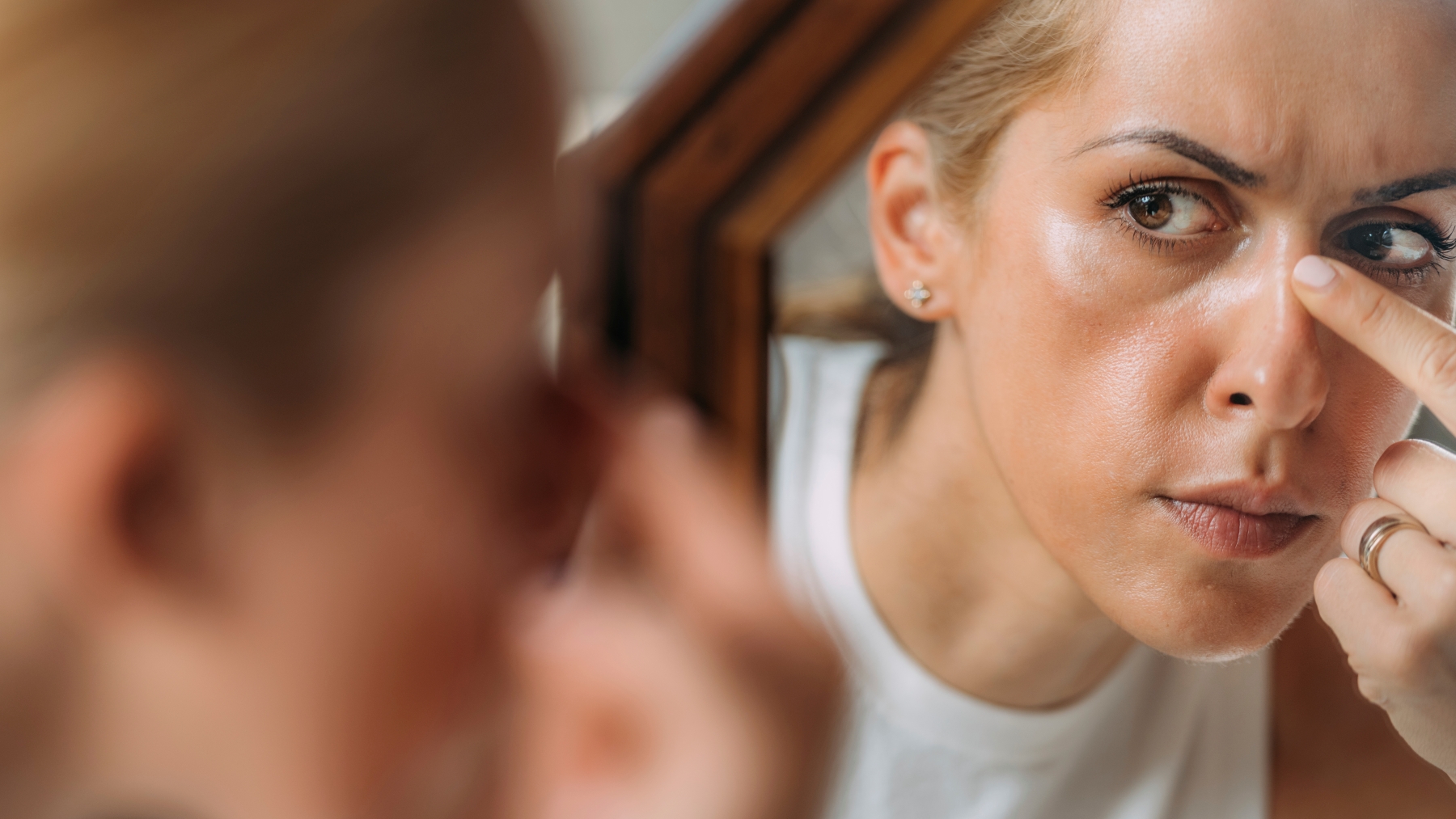
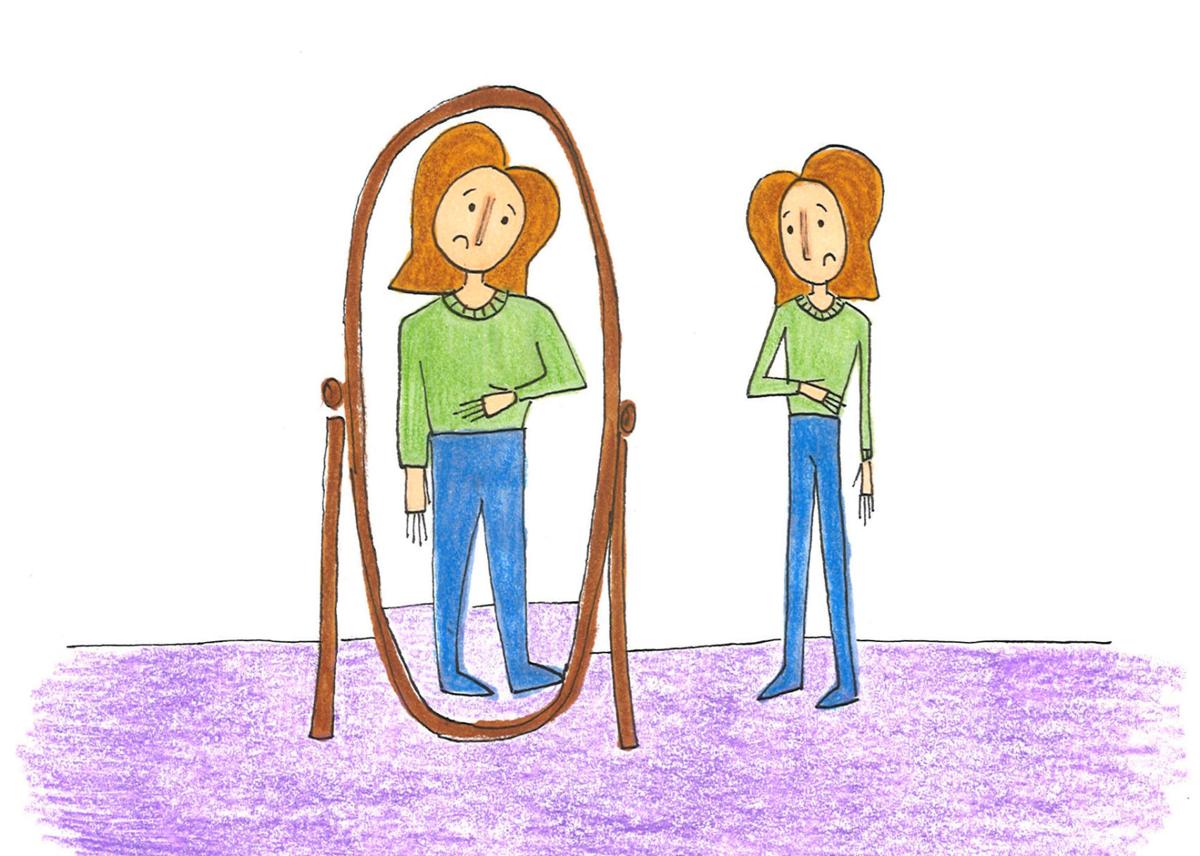
Body Dysmorphic Disorder (BDD) is characterized by an obsessive preoccupation with an imagined or minor physical flaw.
Patients perceive a small or non-existent defect as severely disfiguring.
It has also been called Dysmorphophobia, though this term is now discouraged.
Epidemiology
-
Prevalence: 1–2% of the general population.
-
Common in cosmetic surgery seekers.
-
Female:Male ratio ~2:1.
-
Onset typically occurs in adolescence.
Clinical Features

4
-
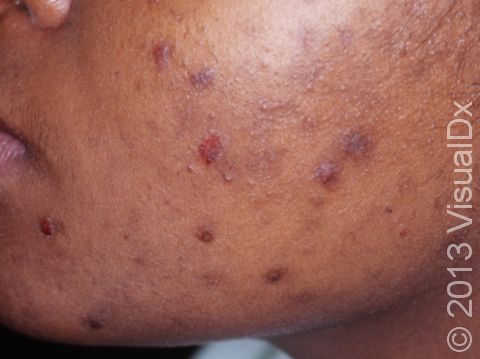
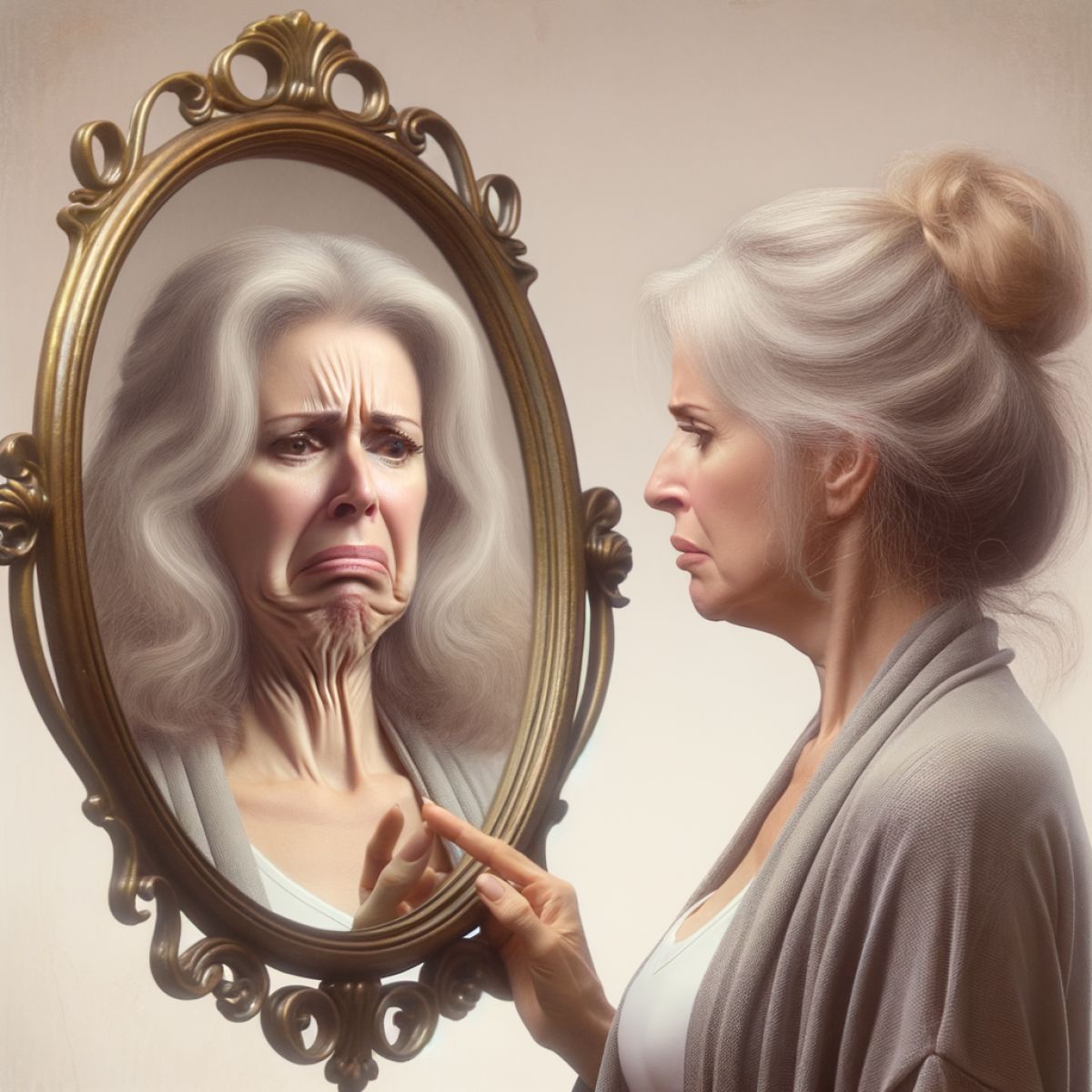
Persistent intrusive thoughts about appearance.
-
Frequent mirror checking or mirror avoidance.
-
Skin picking, excessive grooming, and seeking reassurance.
-
Social withdrawal, depression, and suicidal ideation
(about 25% attempt suicide).
Management

4
First-Line Treatment
-
CBT (Cognitive Behavioral Therapy) is most effective.
-
SSRIs (Fluoxetine, Sertraline, Paroxetine) for reducing obsessive thoughts.
Second-Line Treatment
Third-Line Treatment
Exam-Oriented Notes on Lichen Simplex Chronicus (LSC) and Nodular Prurigo
Definition and Overview

4
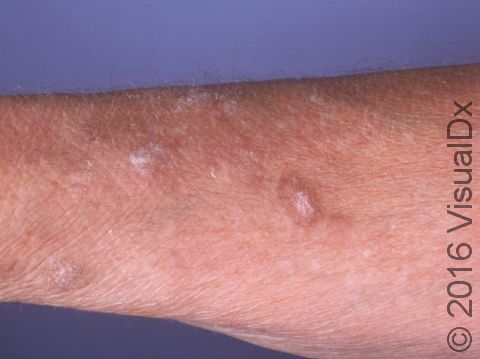
Lichen Simplex Chronicus (LSC):
Nodular prurigo:
Epidemiology
Clinical Features


4
-
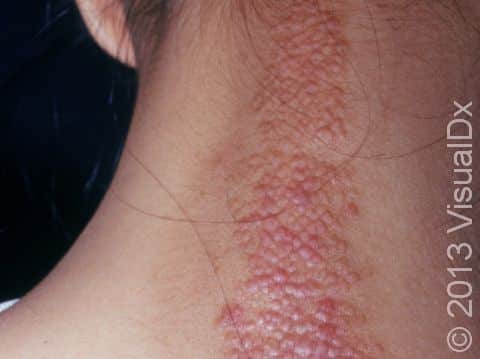
Thickened, scaly plaques or nodules on easily reachable areas.
-
Persistent itching, often leading to lichenification.
-
Can be triggered by anxiety or OCD tendencies.
Management


4
First-Line Treatment
-
Topical steroids (Clobetasol, Betamethasone) under occlusion.
-
Oral antihistamines (Cetirizine, Hydroxyzine) for itch.
Second-Line Treatment
Third-Line Treatment
Exam-Oriented Notes on Skin Picking Disorder (Excoriation Disorder)
Definition and Overview
4
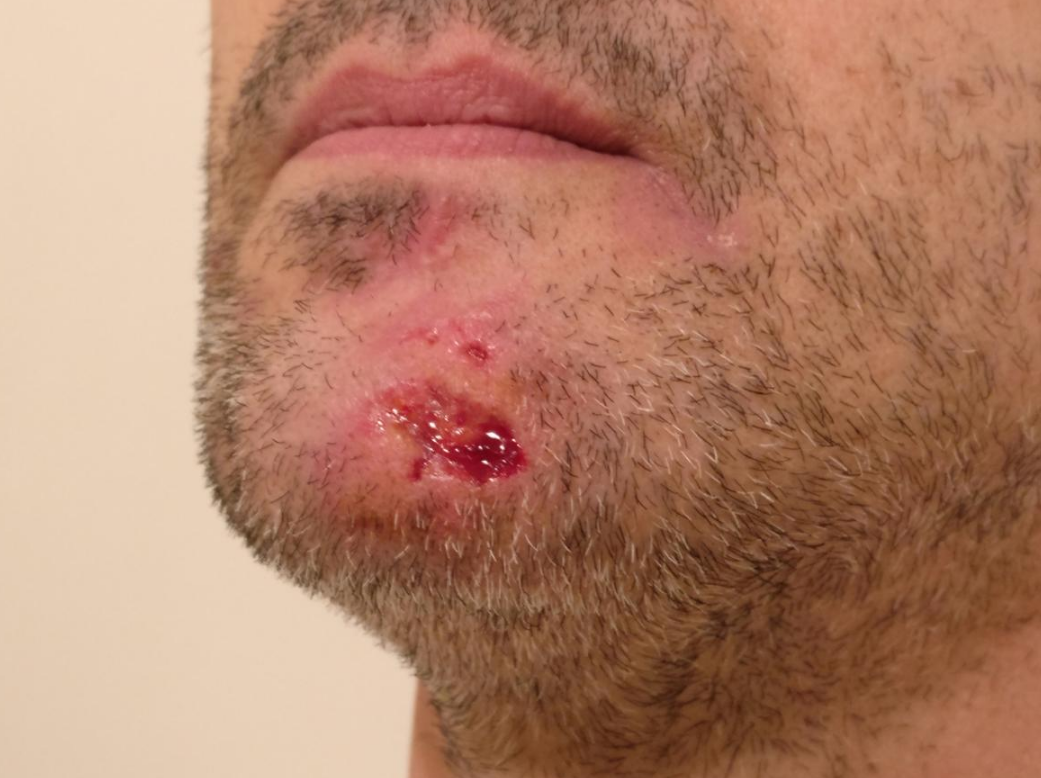
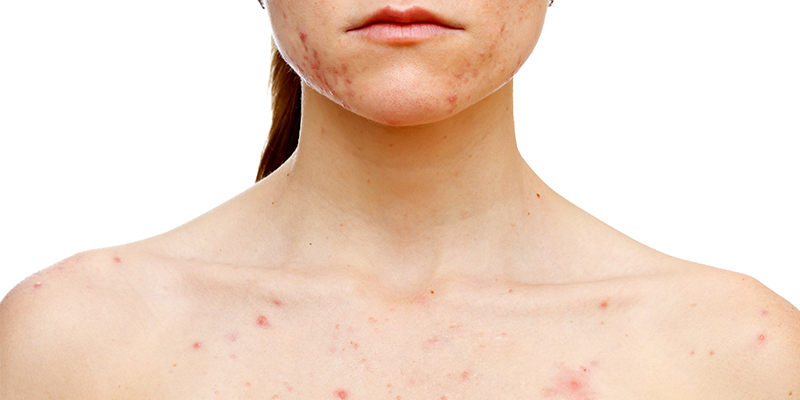
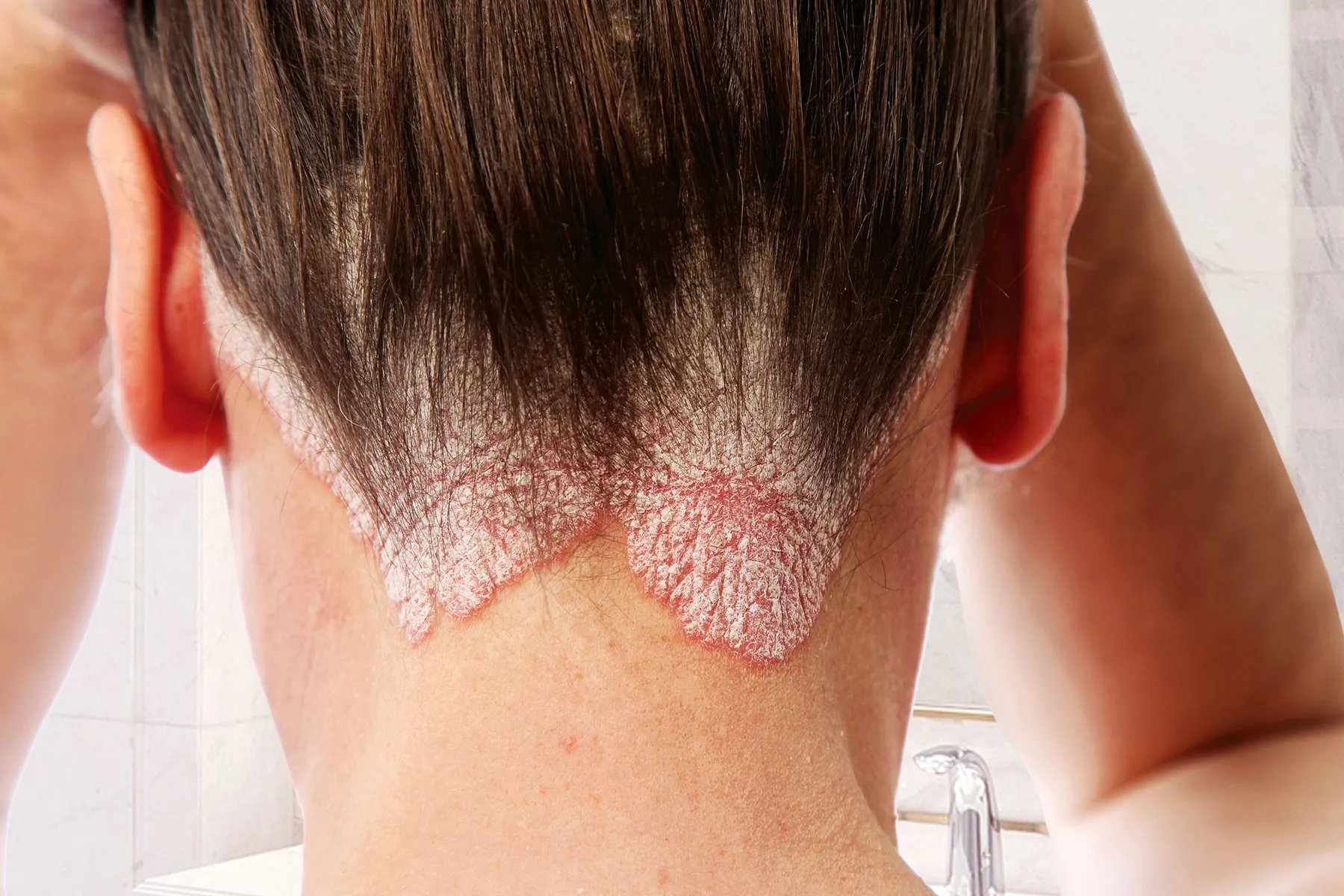
Skin Picking Disorder (Excoriation Disorder) is characterized by compulsive picking of normal or slightly irregular skin.
It is often associated with stress, anxiety, or body dysmorphic disorder (BDD).
It is also called Dermatillomania.
Epidemiology
Clinical Features

4
-
Repeated skin picking leads to sores, scars, and infections.
-
Commonly affects:
-
May involve ritualistic behaviors.
Management

4
First-Line Treatment
Second-Line Treatment
Exam-Oriented Notes on Acné Excoriée
Definition and Overview
4
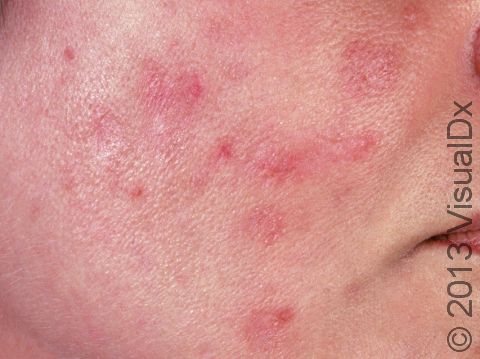
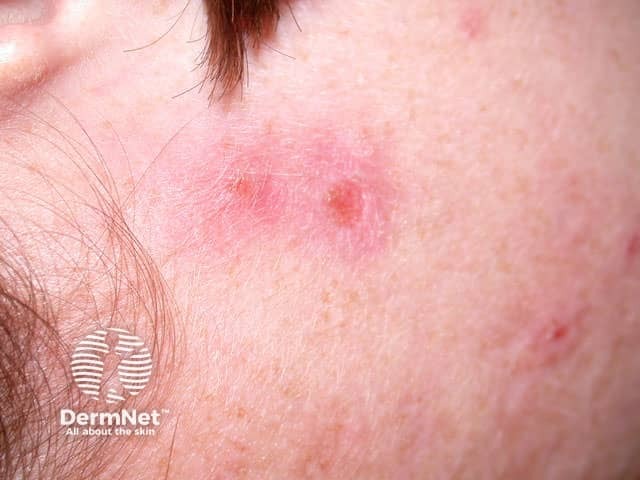
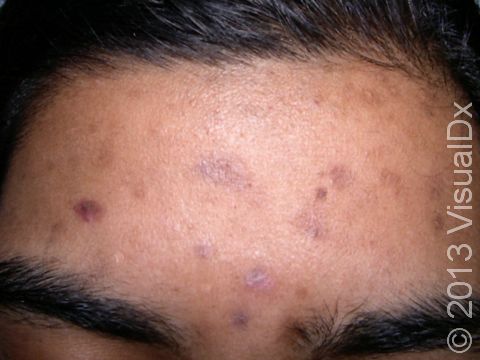
Acné excoriée is a type of compulsive skin picking disorder targeting acne lesions.
It affects individuals who continuously pick at acne, worsening the condition.
Epidemiology
Clinical Features
4
-
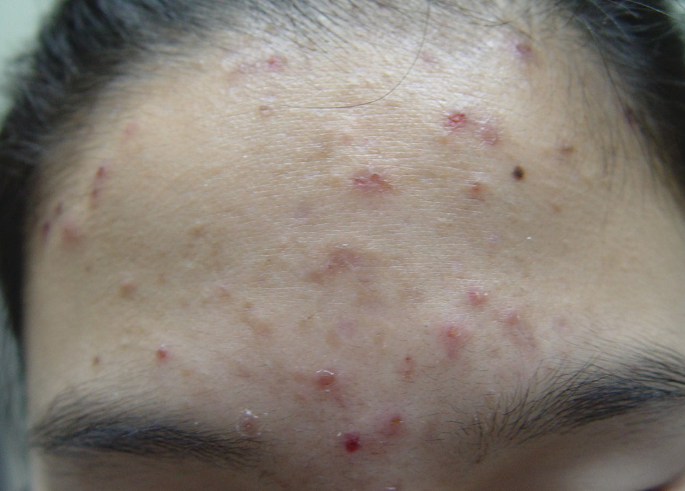
Excoriated acne lesions with post-inflammatory hyperpigmentation or scars.
-
Patients often feel compelled to “remove imperfections.”
-
Lesions heal poorly due to repeated trauma.
Management

4
First-Line Treatment
Second-Line Treatment
Summary
-
Obsessive-compulsive behaviors in dermatology involve chronic skin-damaging habits.
-
Psychological conditions like BDD, skin picking disorder, and acné excoriée require combined dermatological and psychiatric treatment.
-
CBT and SSRIs are the mainstay treatments for OCD-related dermatological conditions.
-
Multidisciplinary teams (MDT) significantly improve patient outcomes.
Exam-Oriented Notes on Trichotillomania / Trichotillosis
Definition and Overview


4
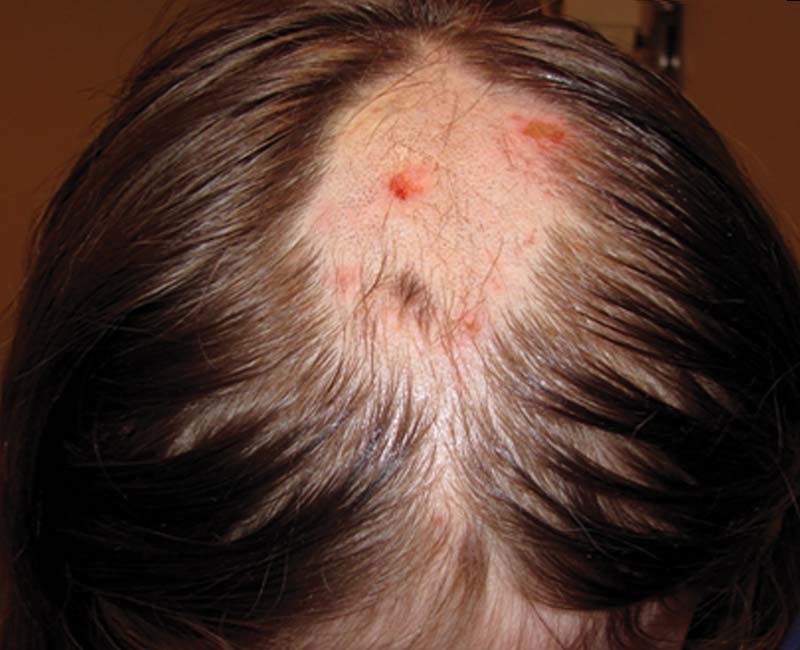
Trichotillomania (Hair-Pulling Disorder) is a behavioral disorder characterized by compulsive hair-pulling, resulting in noticeable hair loss.
The term was first used by Hallopeau in 1889 and comes from Greek:
-
Thrix – hair
-
Tillein – pull out
-
Mania – madness
It is more accurately classified as an OCD spectrum disorder rather than a true “mania”.
Diagnostic Criteria
-
Recurrent pulling out of one's own hair, causing hair loss.
-
Increasing tension before pulling or attempting to resist the behavior.
-
Pleasure, gratification, or relief when pulling the hair.
-
Not explained by another mental disorder.
-
Causes significant distress or impairment in daily life.
Epidemiology
Age distribution
Two peaks:
Gender ratio
Pathophysiology


4
-
Considered an impulse control disorder with links to:
-
Familial predisposition has been reported.
-
May be triggered by psychosocial stress.
Clinical Features
Trichophagia
Some patients eat the pulled hair, which may lead to trichobezoars (hairballs in the stomach).
Management
4
First-Line Treatment
-
Cognitive-Behavioral Therapy (CBT) with Habit Reversal Therapy (HRT).
-
Selective Serotonin Reuptake Inhibitors (SSRIs)
(Fluoxetine, Sertraline, Paroxetine).
Second-Line Treatment
Third-Line Treatment
-
Atypical antipsychotics
(Olanzapine, Risperidone) for severe cases.
-
Referral to a psychiatrist for severe or resistant cases.
Onychotillomania and Onychophagia
Definition and Overview
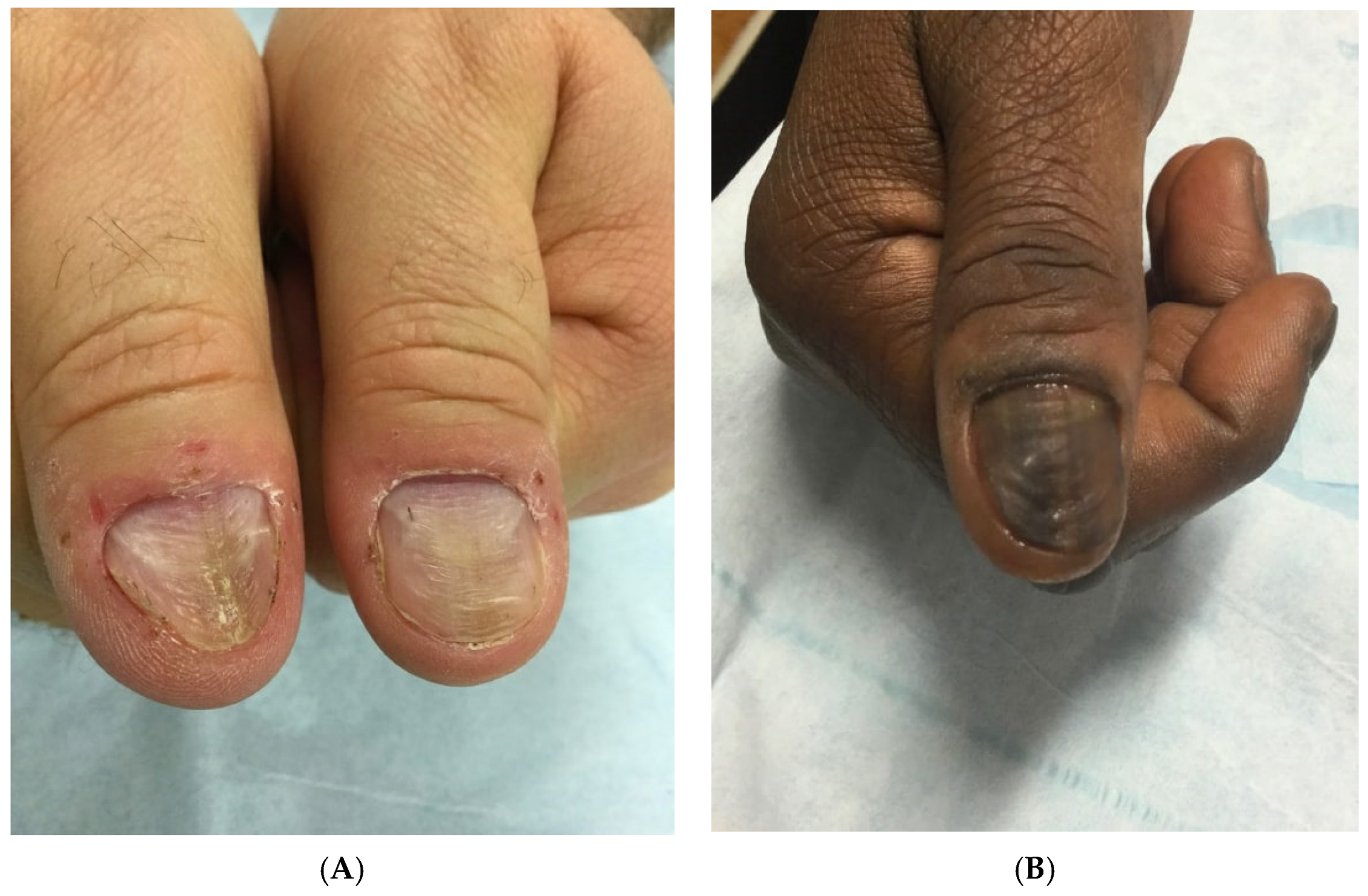


4
Onychotillomania
Onychophagia
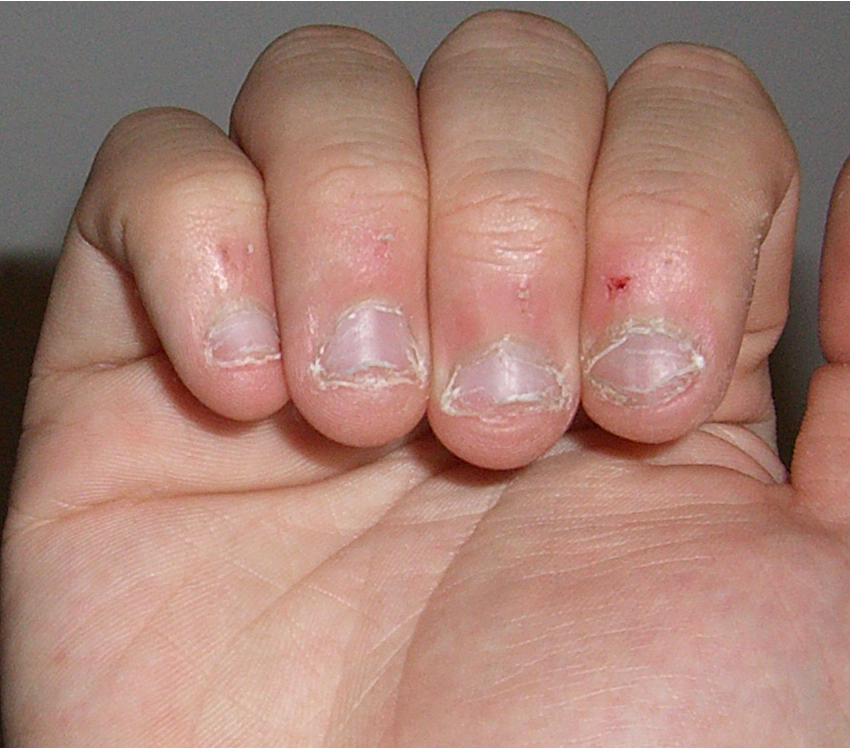
Both are considered body-focused repetitive behaviors (BFRBs) associated with OCD spectrum disorders.
Clinical Features
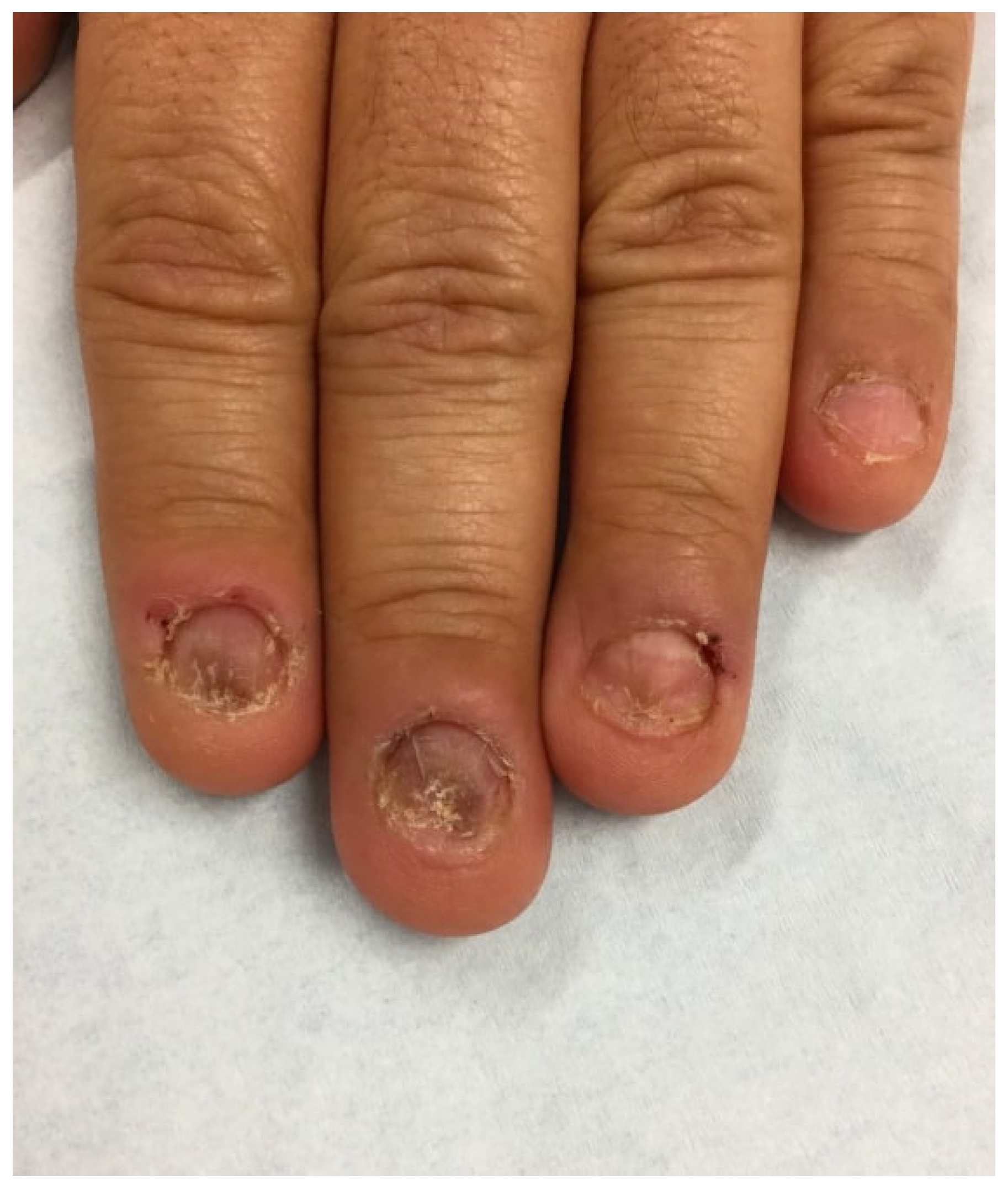
-
Damaged nail plates.
-
Irregular or shortened nails.
-
Inflamed periungual skin.
-
Paronychia or infections due to repeated trauma.
Management
Behavioral therapy
Medical treatment
Adjunctive measures
Health Anxieties (Hypochondriasis / Illness Anxiety in Dermatology)
Definition and Overview
4
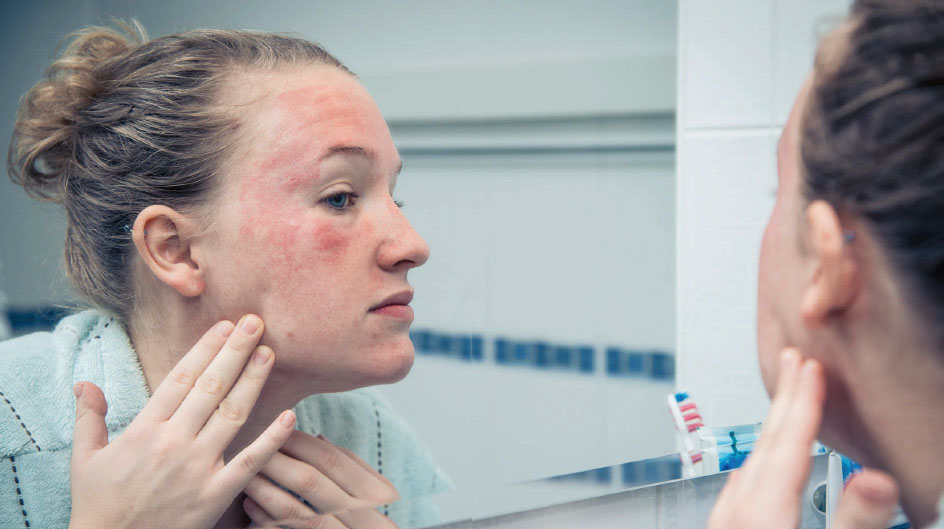
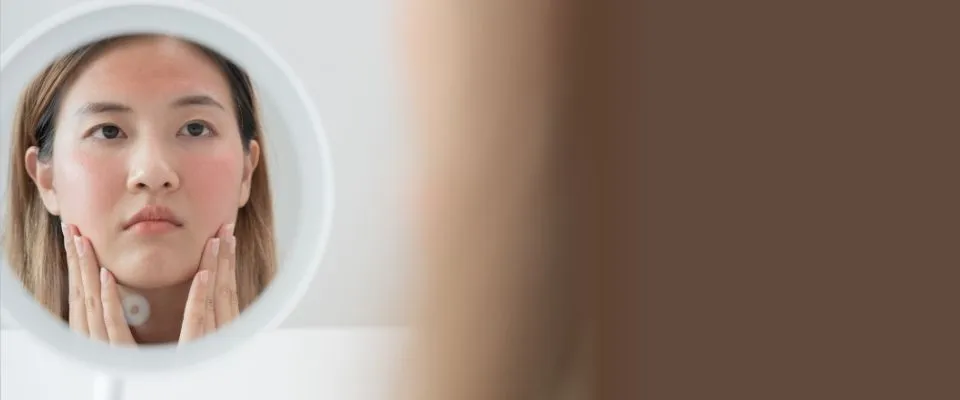
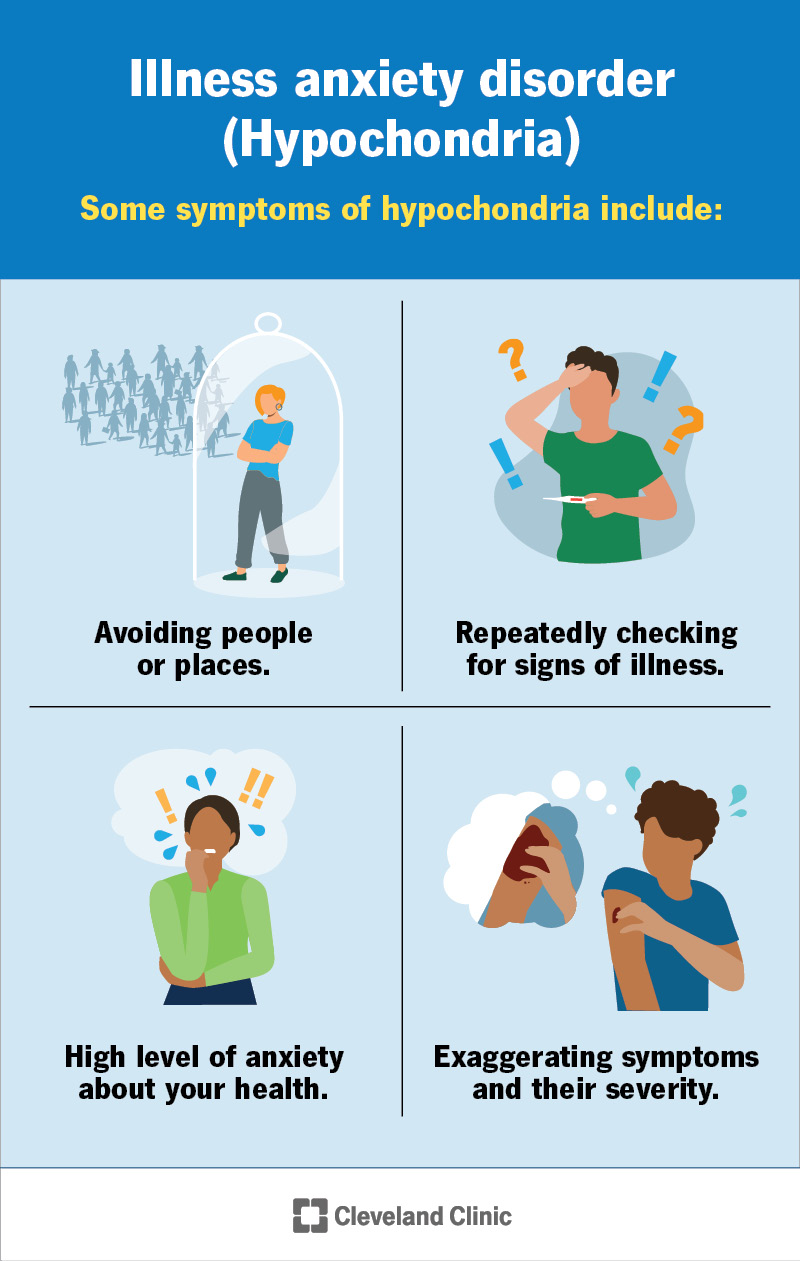
Health anxiety refers to excessive worry about having a serious illness despite medical reassurance.
In dermatology, patients may become fixated on minor skin changes, fearing serious disease.
Clinical Features
-
Persistent concern about skin disease.
-
Repeated dermatology consultations.
-
Excessive self-examination of skin.
-
Misinterpretation of benign lesions as dangerous conditions.
Management
Psychological therapy
Medical therapy
Clinical approach
Summary
-
Trichotillomania involves compulsive hair pulling, leading to patchy alopecia.
-
Onychotillomania and onychophagia involve repetitive nail picking or biting.
-
Health anxiety leads to excessive worry about dermatological disease.
-
CBT, Habit Reversal Therapy, and SSRIs are the core treatments for many psychodermatological behavioral disorders.
Exam-Oriented Notes on Onychotillomania and Onychophagia
Definition and Overview
4
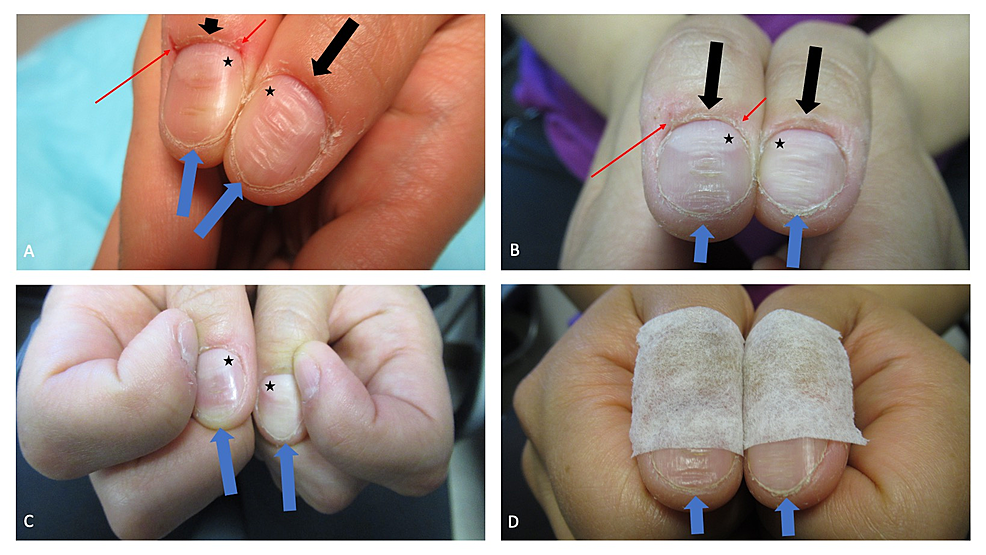
Onychotillomania: Compulsive nail-picking.
Onychophagia: Compulsive nail-biting.
Both are body-focused repetitive behaviors (BFRBs) and can lead to:
-
Permanent nail dystrophy
-
Infections
-
Self-mutilation
Epidemiology
Clinical Features

4
Associated behaviors
Management


First-Line Treatment
-
Cognitive Behavioral Therapy (CBT) with Habit Reversal Training (HRT).
-
Bitter-tasting nail polish to discourage biting.
-
Stress reduction techniques
-
Mindfulness
-
Relaxation therapy
Second-Line Treatment
-
SSRIs (Fluoxetine, Sertraline) for coexisting anxiety or OCD.
-
Local antiseptics and topical steroids for nail infections.
Third-Line Treatment
-
Oral antipsychotics (Pimozide, Risperidone) in rare severe cases.
-
Referral for psychiatric evaluation in self-harm cases.
Exam-Oriented Notes on Health Anxieties
Definition and Overview
4
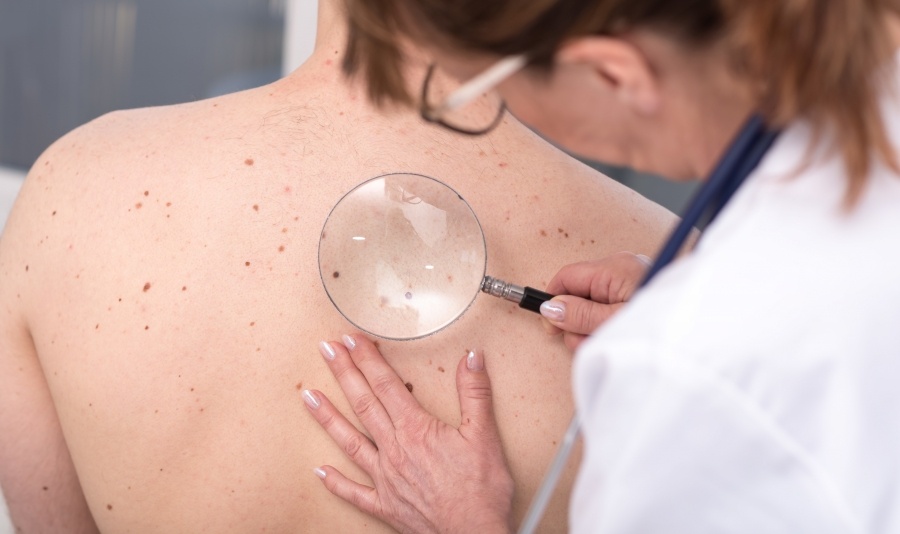
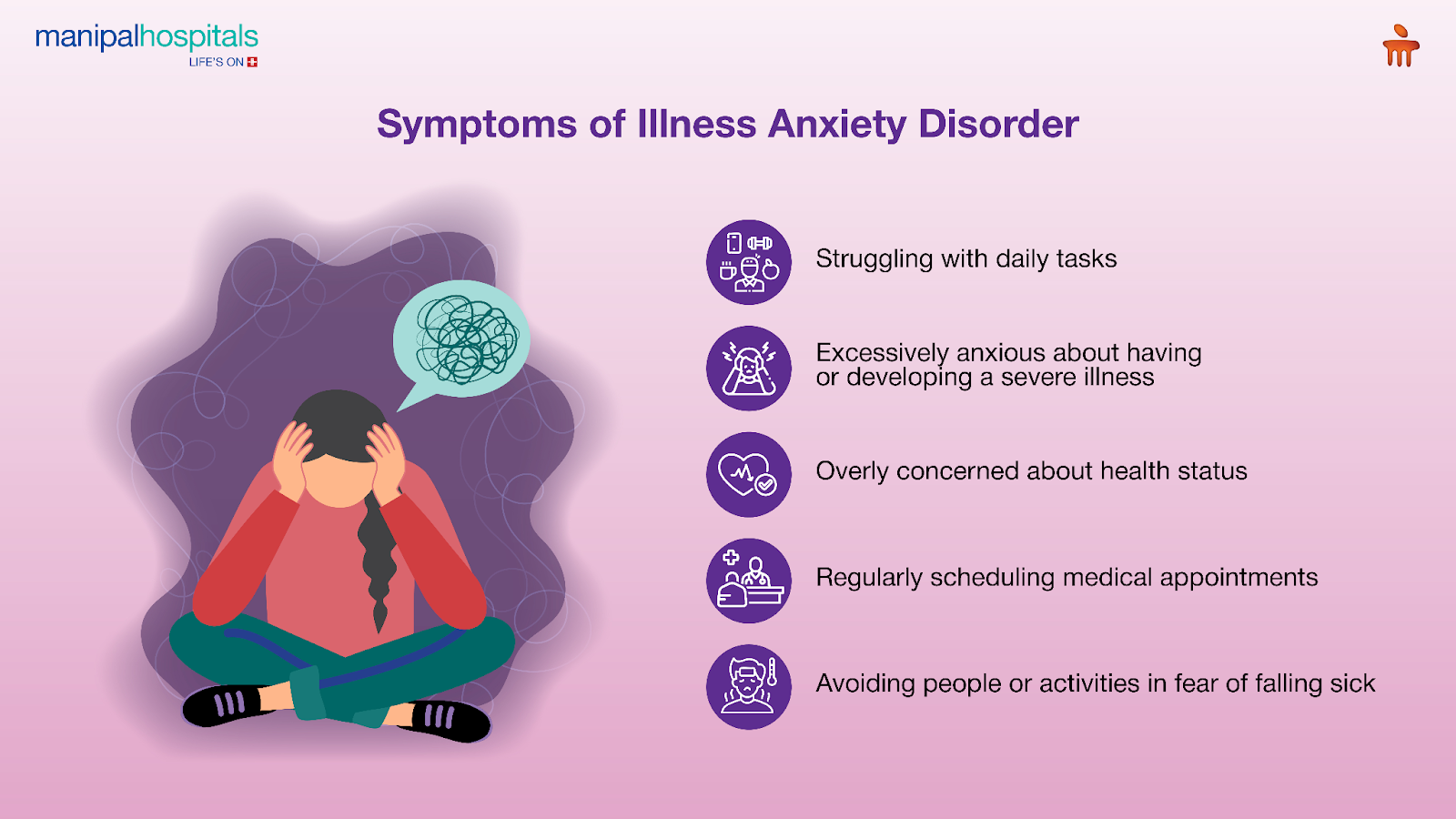
Health anxiety is an irrational fear of developing a serious medical condition, also known as cutaneous phobias in dermatology.
Classification of Health Anxieties
Anxieties of Contamination
-
Dirt phobia
-
Germ phobia
-
Wart phobia
Patients often wash their hands excessively, leading to:
Fear of Malignancy
-
Cancer phobia
-
Mole phobia
Patients may:
Other Health Phobias
General Health Anxieties
Epidemiology
Clinical Features


4
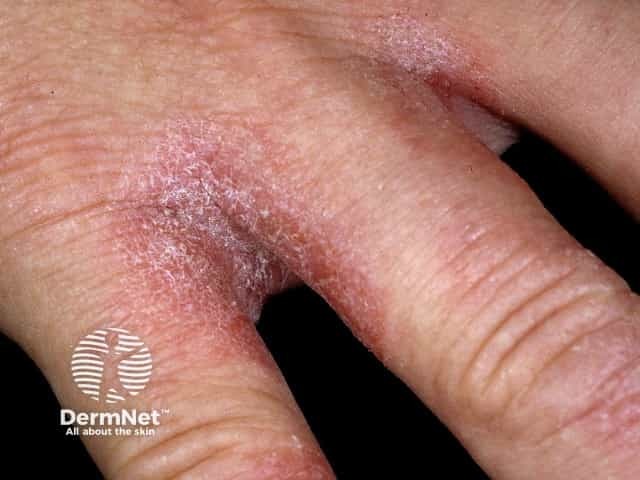
-
Repeated doctor visits for reassurance.
-
Excessive self-examinations of the skin.
-
Compulsive online research about diseases.
-
Compulsive washing or avoiding sunlight due to fear of skin damage.
-
In severe cases, may develop delusional disorder, such as believing harmless lesions are cancerous.
Management


4
First-Line Treatment
-
Cognitive Behavioral Therapy (CBT) to challenge irrational fears.
-
Mindfulness and relaxation techniques.
-
Psychoeducation about skin health.
Second-Line Treatment
-
SSRIs (Fluoxetine, Sertraline, Citalopram) for severe anxiety.
-
Benzodiazepines for short-term use in acute anxiety episodes.
Third-Line Treatment
-
Antipsychotic medications (Olanzapine, Aripiprazole) in delusional cases.
-
Hypnotherapy and guided imagery for resistant cases.
-
Referral to a psychodermatology specialist for complex cases.
Summary
-
Trichotillomania is a compulsive hair-pulling disorder linked to OCD, stress, and anxiety.
-
Onychotillomania and Onychophagia involve compulsive nail-picking and biting, causing nail deformities and infections.
-
Health anxieties include irrational fears of skin diseases, leading to excessive medical visits and self-damaging behaviors.
-
CBT, SSRIs, and stress management are the core treatments for these psychodermatological conditions.
Exam-Oriented Notes on Eating Disorders: Anorexia Nervosa and Bulimia
Introduction and General Description


4
Eating disorders are primarily psychiatric illnesses with significant physical complications.
Three major categories
These disorders are most common in young women and are increasing in incidence worldwide.
Anorexia Nervosa
Definition and Diagnostic Criteria


4
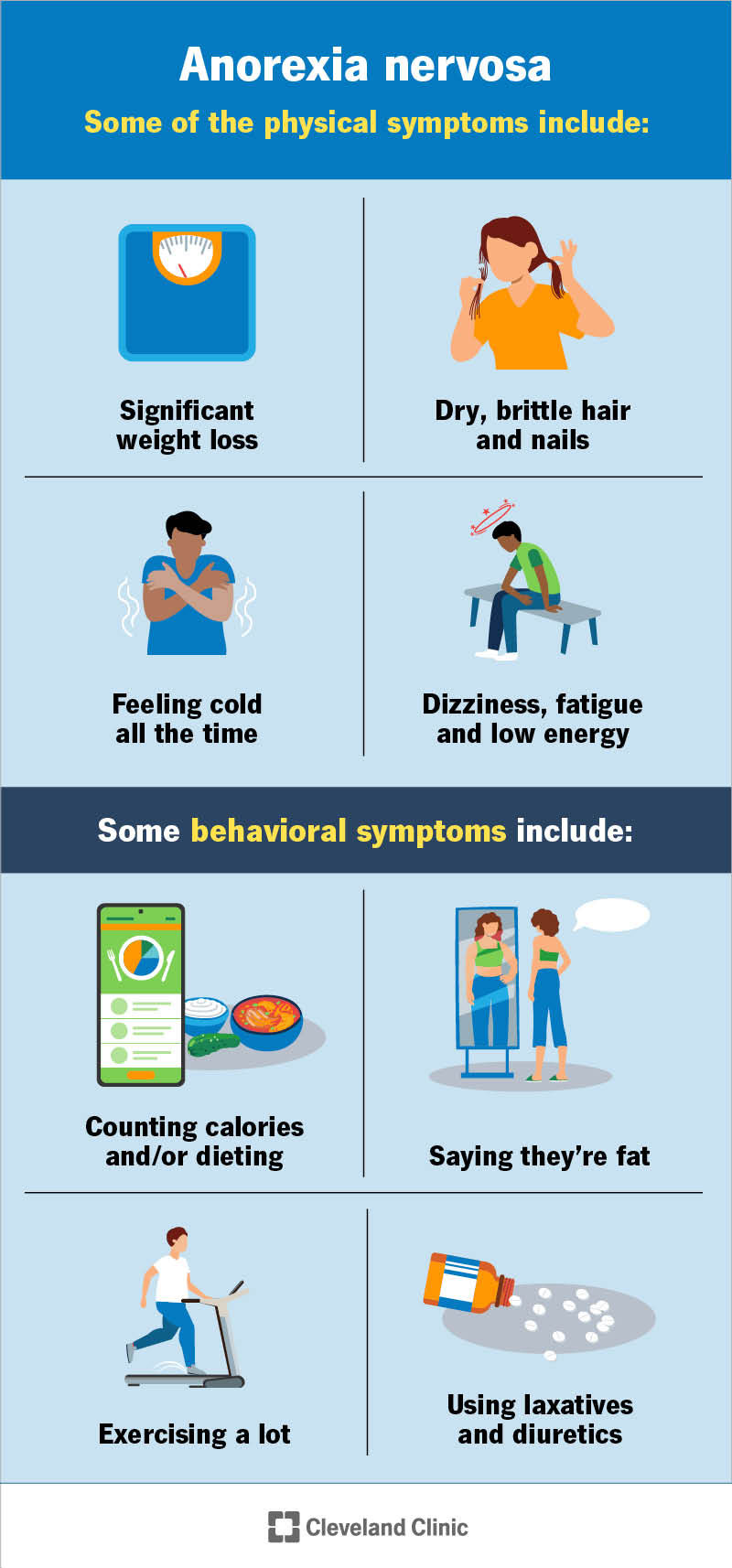
Anorexia nervosa is characterized by:
-
Inability to maintain a normal weight for age and height
(BMI <17.5 kg/m²)
-
Intense fear of gaining weight despite being underweight
-
Distorted perception of body weight and shape
-
Amenorrhea (absence of menstruation)
Epidemiology
-
Incidence: ~1% of the general population
-
Prevalence: 0.3% annually
-
Peak age: Adolescence
-
Gender ratio:
Female:Male = 20:1, though recent trends suggest 5:1
-
Most common in white, industrialized societies
Clinical Features


4
General Features
Cardiovascular / metabolic
-
Bradycardia
-
Hypotension
-
Hypothermia
Dermatological manifestations
-
Lanugo (fine body hair growth) due to lack of fat insulation
-
Xerosis (dry skin) and pruritus
-
Pellagra (niacin deficiency)
-
Raynaud’s phenomenon and acrocyanosis (bluish hands/feet)
-
Hair loss or hypertrichosis
-
Russell’s sign (knuckle calluses from self-induced vomiting)
Bulimia Nervosa
Definition and Diagnostic Criteria

4
Bulimia nervosa is characterized by:
Common compensatory behaviors
Binge eating and purging occur at least twice per week for 3 months.
Self-esteem is heavily influenced by body weight and shape.
Epidemiology
-
Prevalence: Up to 5% of the general population
-
Annual prevalence: 1%
-
Peak age: Late teens to early twenties
-
Gender ratio: Female:Male = 20:1
-
More common in high socioeconomic groups
Clinical Features
4
-
Normal or slightly low body weight (unlike anorexia)
-
Frequent vomiting leading to metabolic alkalosis
-
Enlarged parotid glands due to chronic vomiting
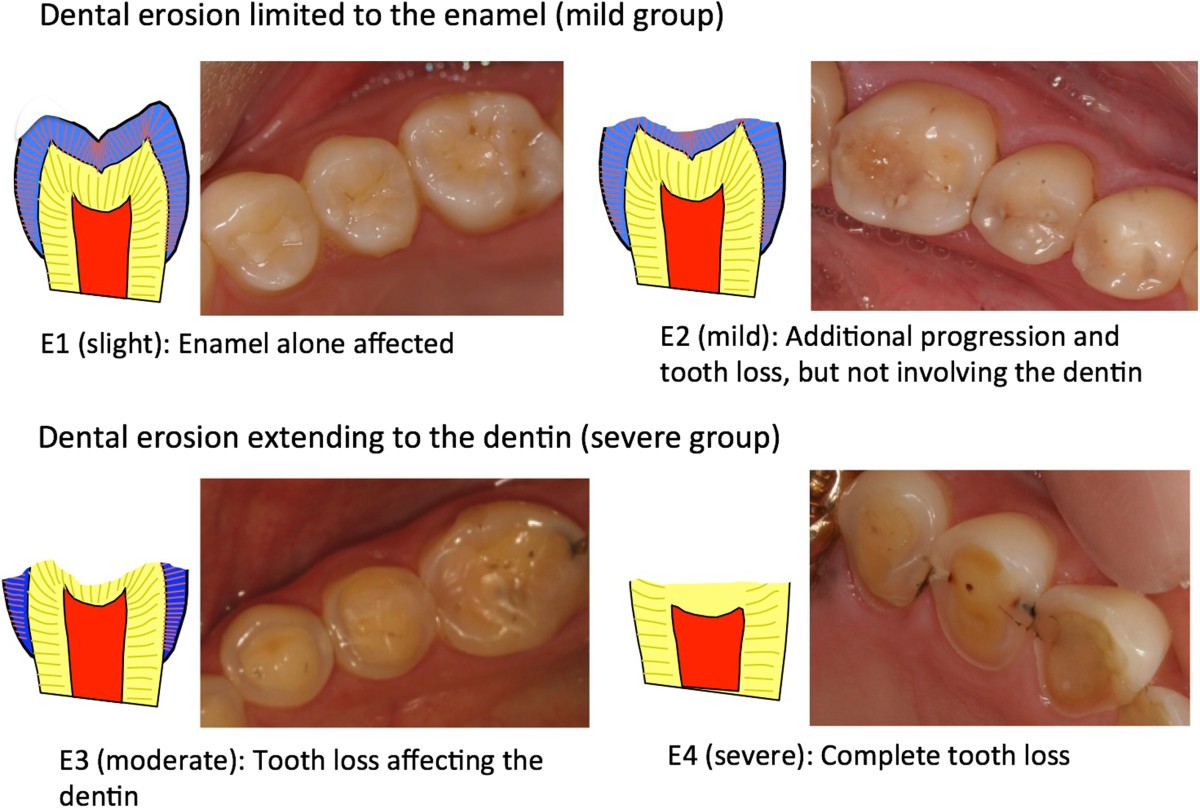
-
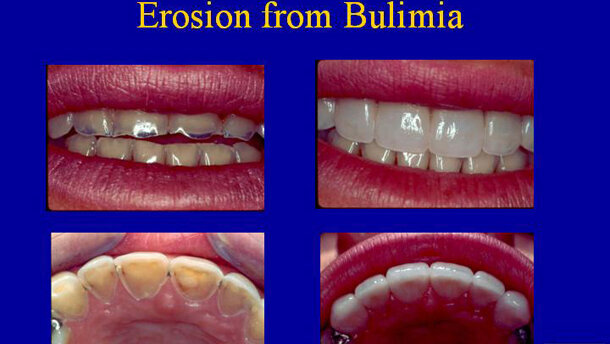
Dental erosions from stomach acid
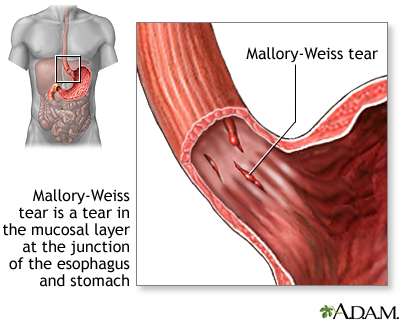
-
Esophageal tears (Mallory-Weiss syndrome)
-
Russell’s sign (knuckle calluses from repeated vomiting)
Management of Eating Disorders
First-Line Treatment



Selective Serotonin Reuptake Inhibitors (SSRIs)
-
Fluoxetine (up to 60 mg/day) — FDA-approved for bulimia
-
Citalopram (up to 40 mg/day) for anxiety and OCD symptoms
-
Mirtazapine (if sleep disturbances present)
Cognitive Behavioral Therapy (CBT)
-
Best evidence for treating bulimia
-
Aims to change dysfunctional thoughts about food, body image, and weight
Nutritional Rehabilitation
Second-Line Treatment

4
-
Antipsychotics (Olanzapine, Risperidone) for severe weight gain resistance
-
Mood stabilizers (Lamotrigine) if bipolar disorder is present
-
Mindfulness and relaxation techniques
Third-Line Treatment



4
Summary
-
Anorexia nervosa:
Extreme weight loss, fear of gaining weight, and amenorrhea.
-
Bulimia nervosa:
Binge eating followed by purging, normal body weight, and dental erosions.
-
Treatment:
CBT and SSRIs (Fluoxetine 60 mg/day for bulimia).
-
Severe cases require hospitalization to prevent life-threatening complications.
Exam-Oriented Notes on Psychogenic Itch and Psychogenic Pruritus
Introduction

4
Psychogenic itch (psychogenic pruritus) refers to itching without a clear dermatological, systemic, or neurological cause.
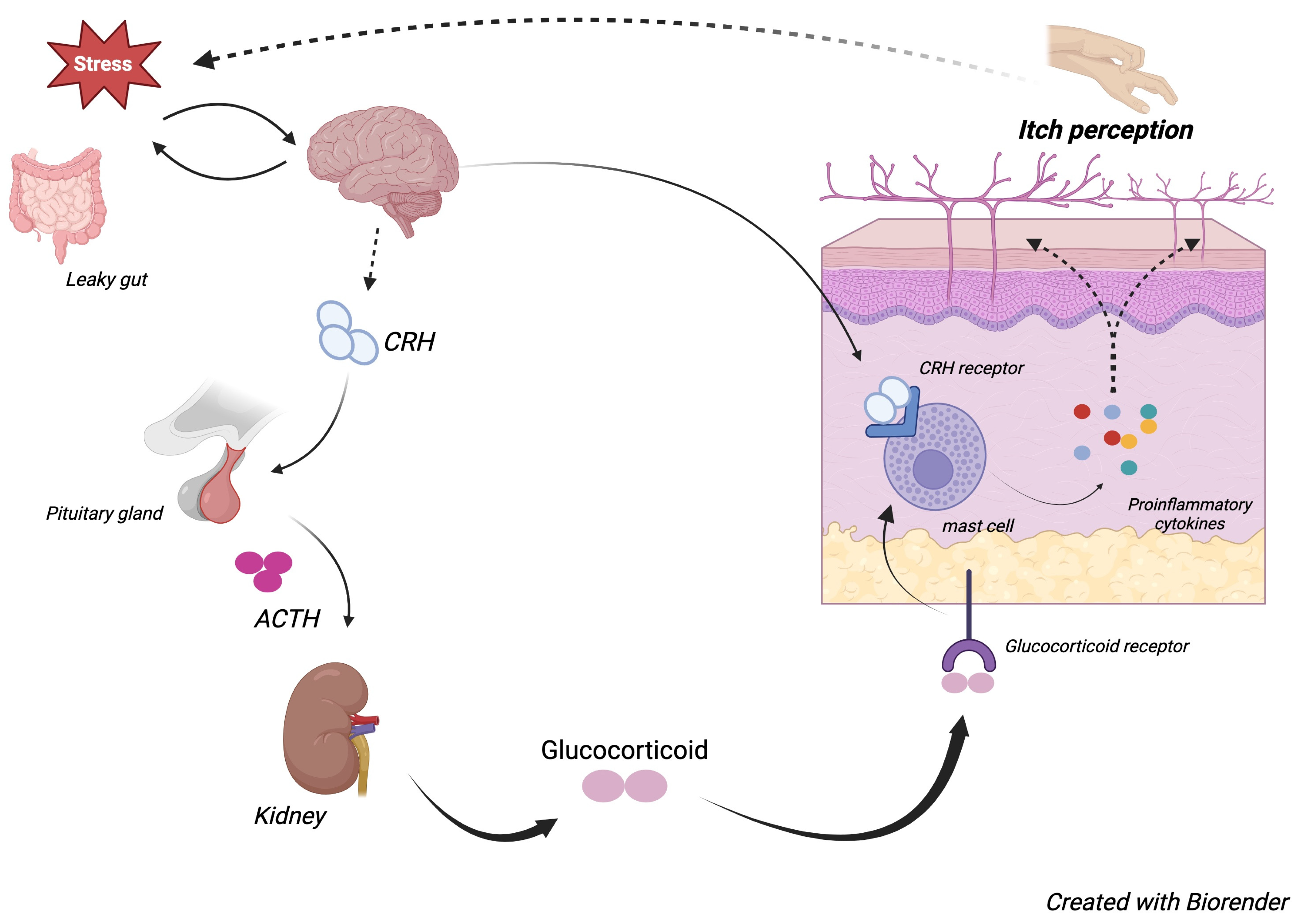
It is classified under psychosomatic disorders and is commonly triggered or worsened by stress, anxiety, or psychiatric conditions.
Psychological factors can provoke or amplify the sensation of itch, even in the absence of actual skin disease.
Diagnostic Criteria for Psychogenic Pruritus
Three compulsory criteria must be met:
-
Localized or generalized pruritus without an identifiable cause.
-
Chronic pruritus lasting more than 6 weeks.
-
Absence of any somatic (organic) disease explaining the symptoms.
Pathophysiology


4
Psychogenic pruritus often begins as a stress response.
Itching episodes may occur unpredictably, often at times of relaxation or mental distress.
Common descriptions of psychogenic itch
-
Crawling sensations
-
Stinging sensations
-
Burning sensations
The itch is often localized initially but may generalize over time.
Common affected areas
Some patients derive pleasure from scratching, possibly due to opioid release in the brain.
Clinical Features
4
-
No visible skin disease at onset.
-
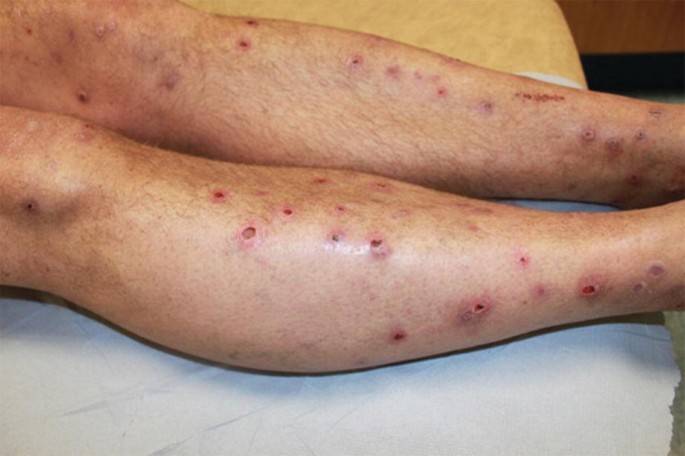
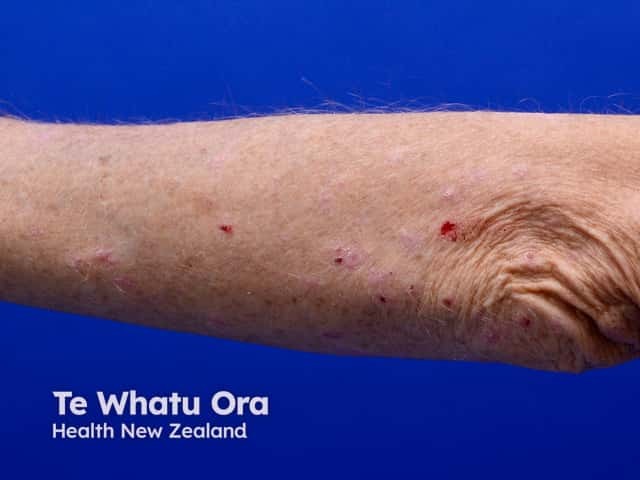
Excoriations, lichenification, and secondary infections can develop due to excessive scratching.
-
Unpredictable onset and resolution.
-
Frequently associated with:
Common Associated Conditions
Management of Psychogenic Pruritus
First-Line Treatment


Treatment should address both the itch sensation and the underlying psychological condition.
Symptomatic dermatologic treatment
-
Topical emollients
-
Mild corticosteroids
Medications
-
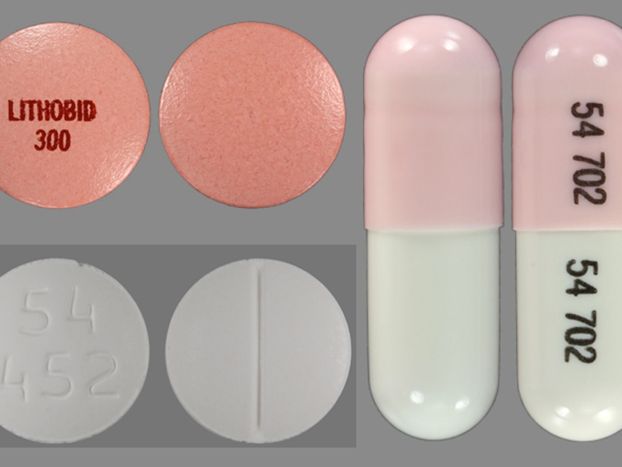
Antihistamines (Hydroxyzine, Cetirizine) for sedation and itch control
-
Tricyclic antidepressants (Amitriptyline, Doxepin) for nocturnal itching
Second-Line Treatment

-
Selective Serotonin Reuptake Inhibitors (SSRIs) for associated anxiety and depression
-
Paroxetine
-
Sertraline
-
Fluoxetine
-
Gabapentin or Pregabalin for neuropathic itch
-
Psychotherapy (CBT) to address stress and compulsive scratching
Third-Line Treatment
4
Summary
-
Psychogenic itch is a chronic pruritus disorder without an underlying somatic cause.
-
Psychological stress and emotional factors trigger the itch sensation.
-
Diagnosis is based on exclusion of organic skin or systemic diseases.
-
Management includes:
Exam-Oriented Notes on Factitious Skin Disease
Introduction and General Description
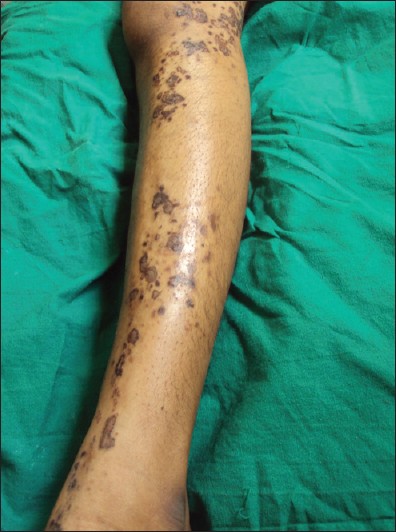
4
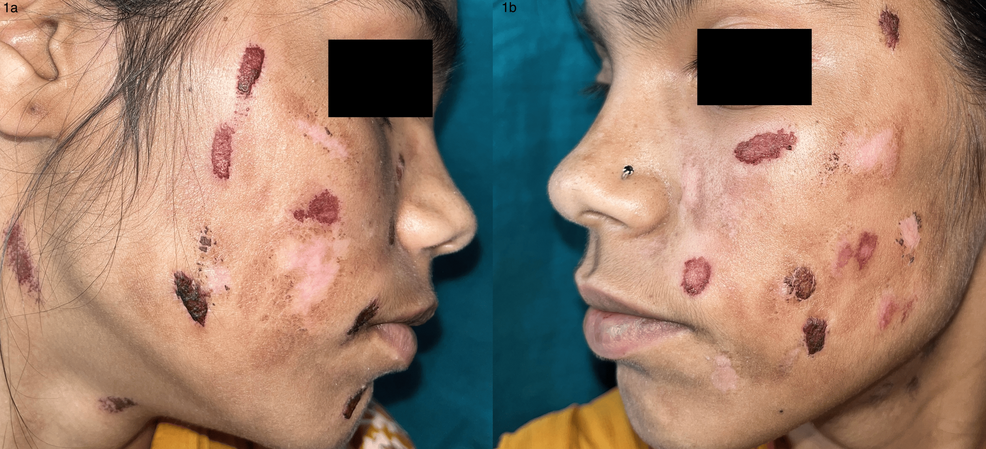
Factitious skin disease (FSD) refers to self-inflicted skin conditions where patients deliberately create lesions without an obvious external reward.
Key characteristics
-
Lesions are intentionally self-inflicted.
-
Patients often deny or conceal their role.
-
No external gain
(unlike malingering, where compensation or avoidance of duty is the goal).
Common forms of FSD
Underlying psychiatric conditions
Dermatitis Artefacta
Definition and Overview


4
Dermatitis artefacta (DA) is a self-inflicted skin disorder in which patients cause lesions on their own:
-
Skin
-
Hair
-
Scalp
-
Nails
-
Mucosae
Patients deliberately conceal the cause from doctors.
Epidemiology
Age of onset
Clinical Features

4
Typical characteristics
-
Sudden onset of lesions without a clear history.
-
Lesions appear at the same stage of development, often symmetrical.
Common sites
Lesions in hidden areas such as:
may suggest a history of abuse.
Types of lesions
-
Linear patterns
-
Geometric patterns
-
Angulated patterns
Other manifestations include:
-
Erosions
-
Blisters
-
Burns
-
Ulcers
-
Hyperpigmentation
Characteristic feature
“Hollow history”
Management
First-Line Treatment

for underlying anxiety and depression.
Second-Line Treatment
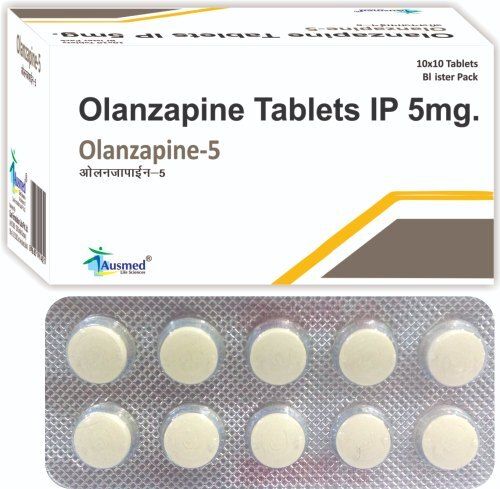


4
Third-Line Treatment
Summary
-
Factitious skin disease involves intentional self-inflicted skin lesions without external reward.
-
Dermatitis artefacta is the most common form.
-
Characteristic features include:
-
Geometric lesions
-
Symmetrical patterns
-
“Hollow history.”
-
Management requires psychodermatology collaboration, combining dermatologic care and psychiatric treatment.
Exam-Oriented Notes on Dermatitis Simulata
Definition and Overview
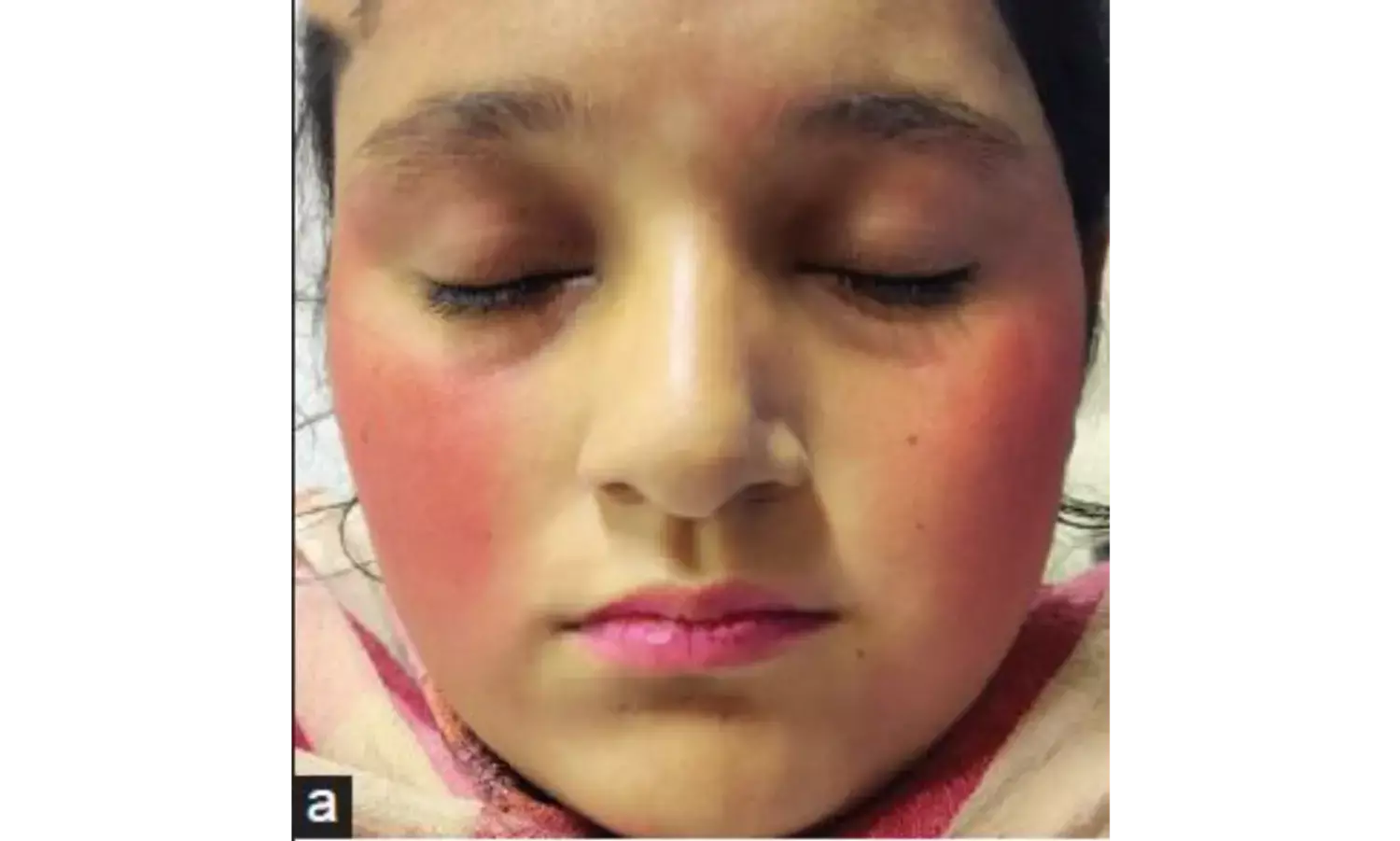
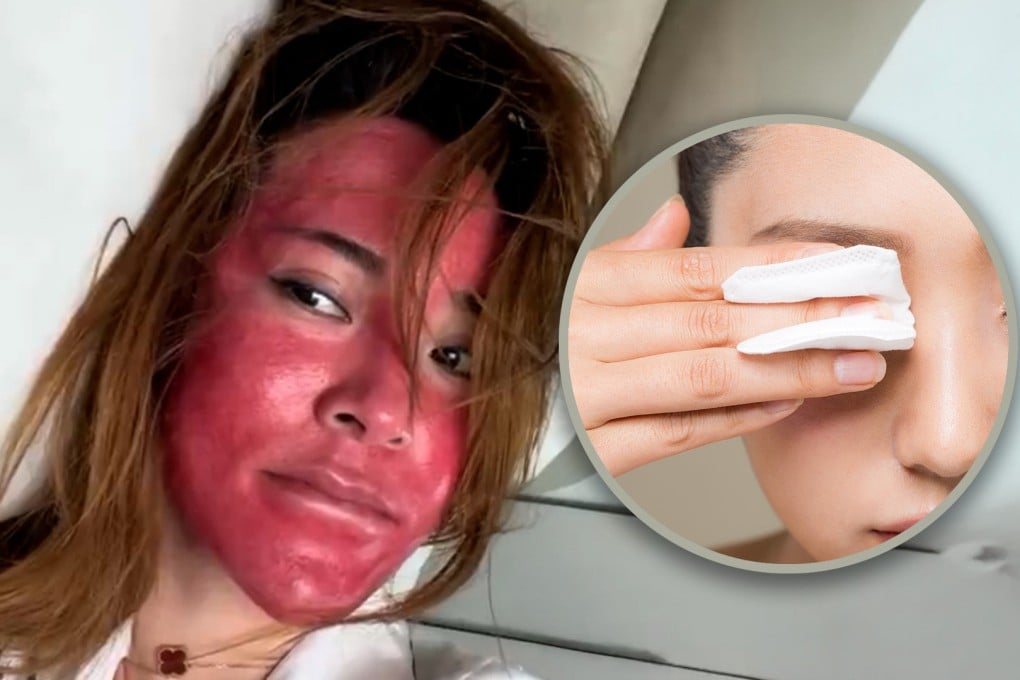
4
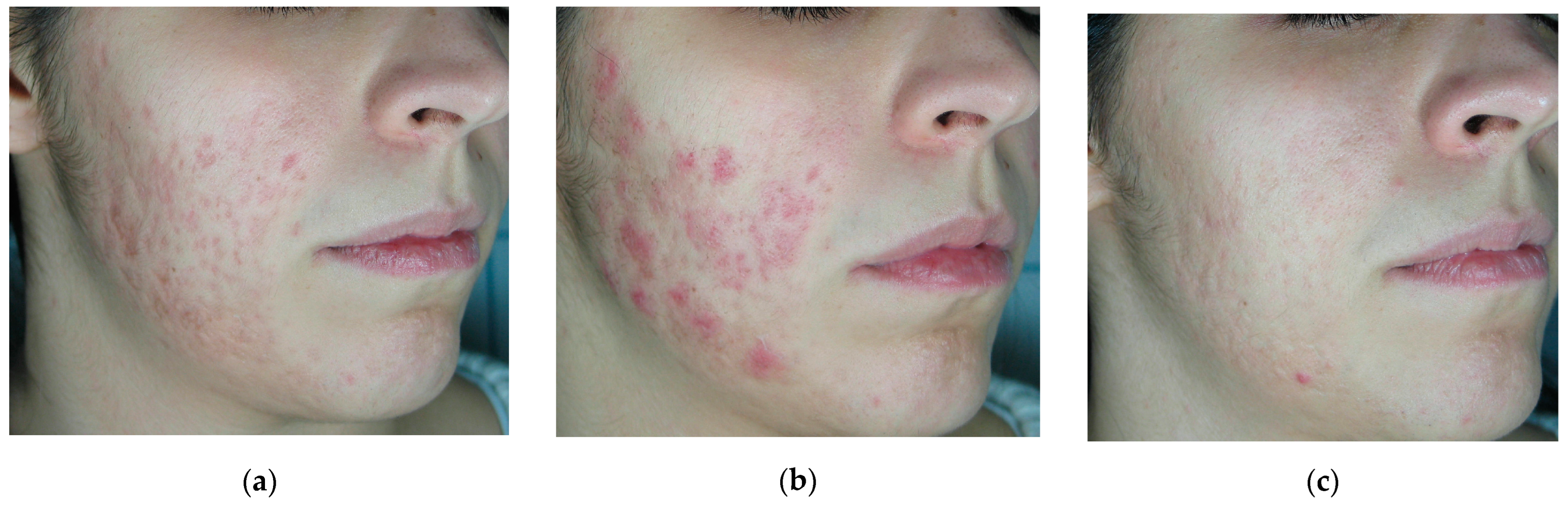
Dermatitis simulata refers to a condition in which patients mimic a skin disease using external materials such as makeup, glue, dyes, or chemicals.
Unlike dermatitis artefacta, no true skin damage occurs.
Clinical Features
-
Fake rashes, scars, or ulcers created using cosmetics or irritants.
-
Makeup may be used to simulate vascular lesions.
-
Glue, sugar, or dyes may be applied to create the appearance of:
Diagnosis

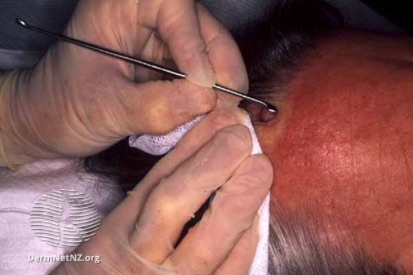
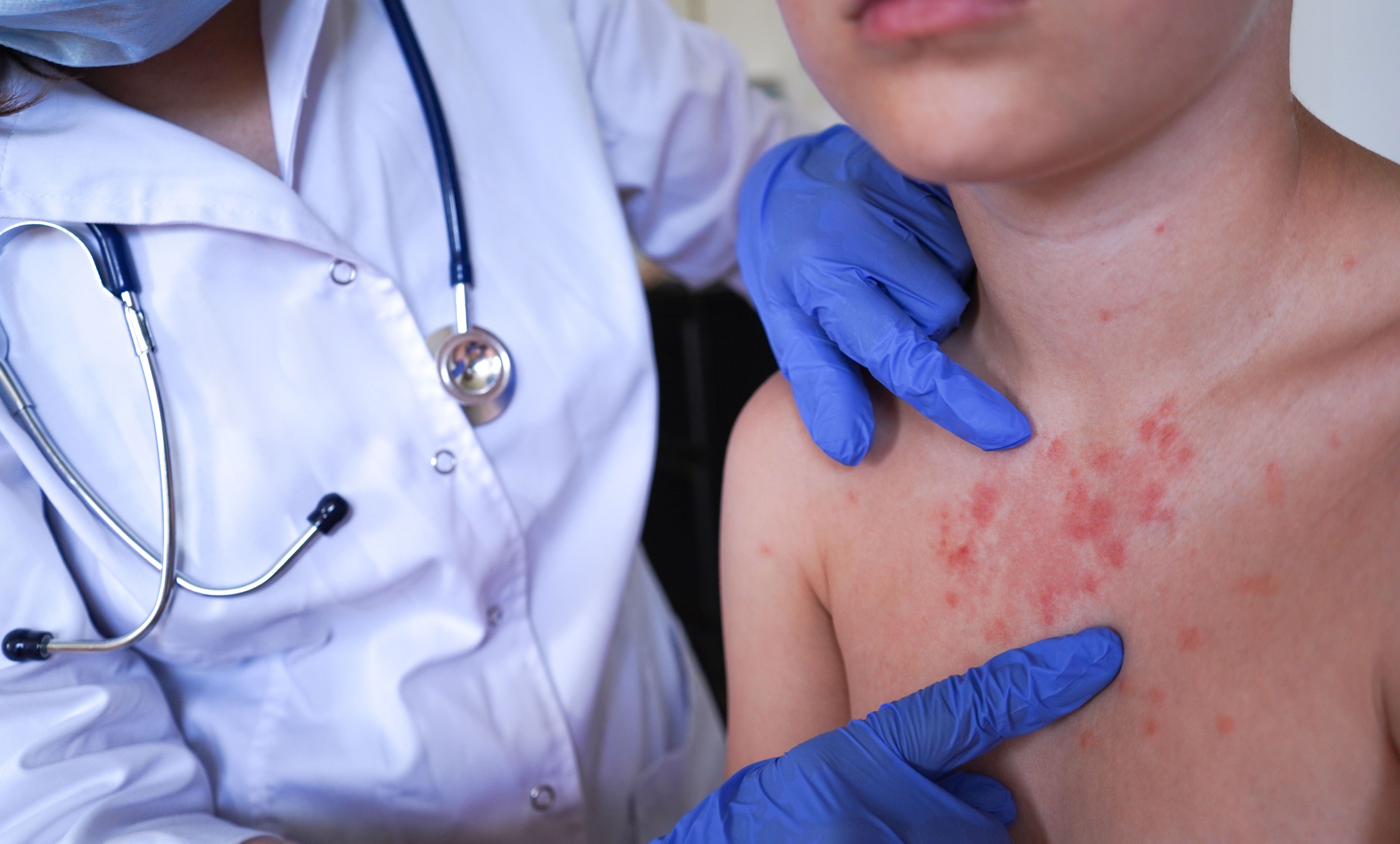
4
Management
-
Gentle confrontation without accusations.
-
Cognitive Behavioral Therapy (CBT) and supportive psychotherapy.
-
SSRIs for underlying psychiatric conditions.
Exam-Oriented Notes on Dermatological Pathomimicry
Definition and Overview
4
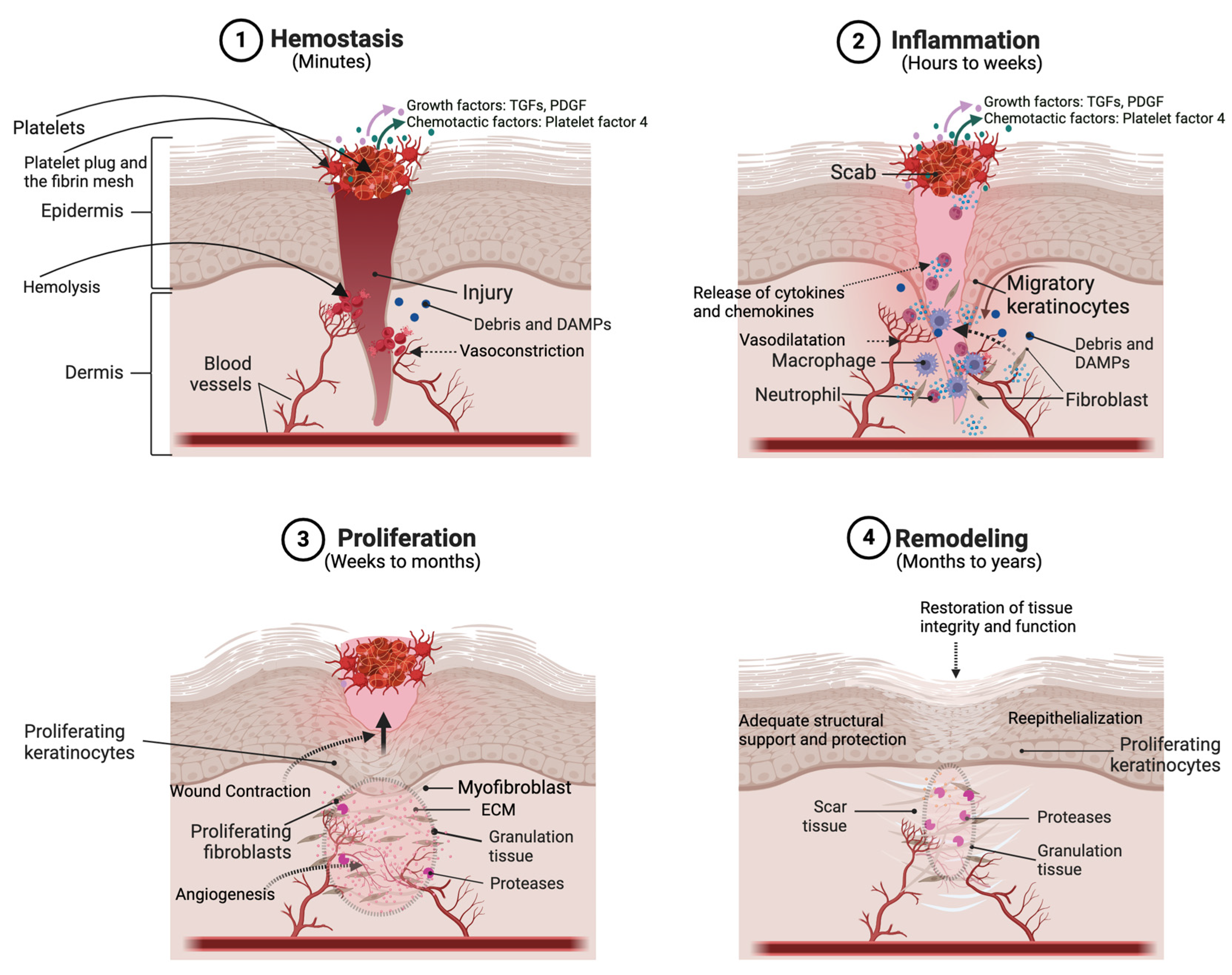
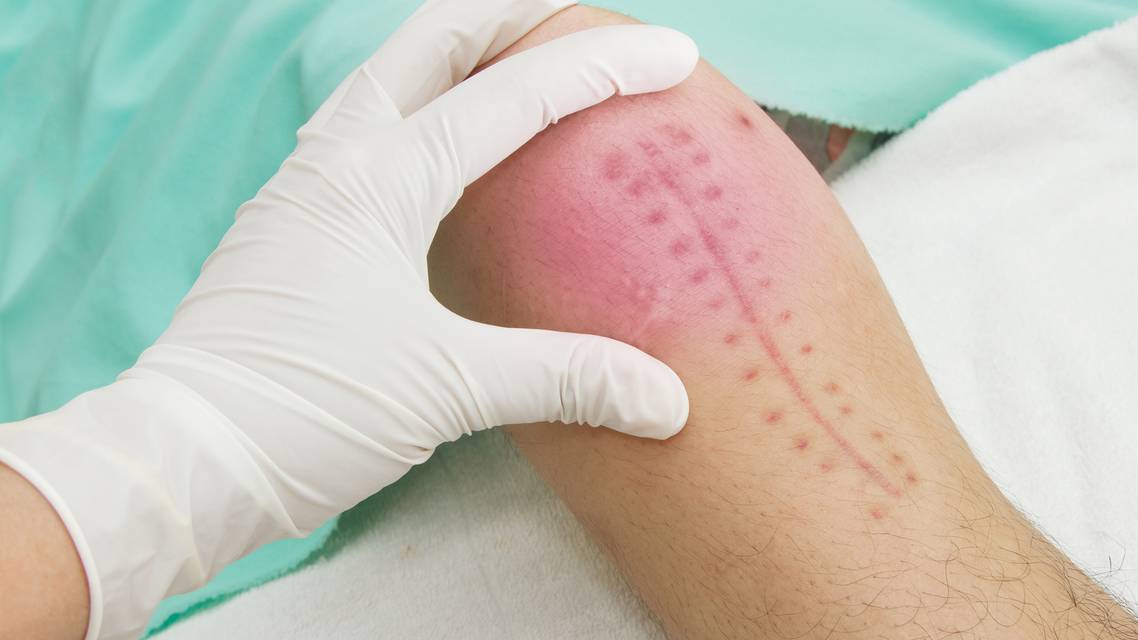
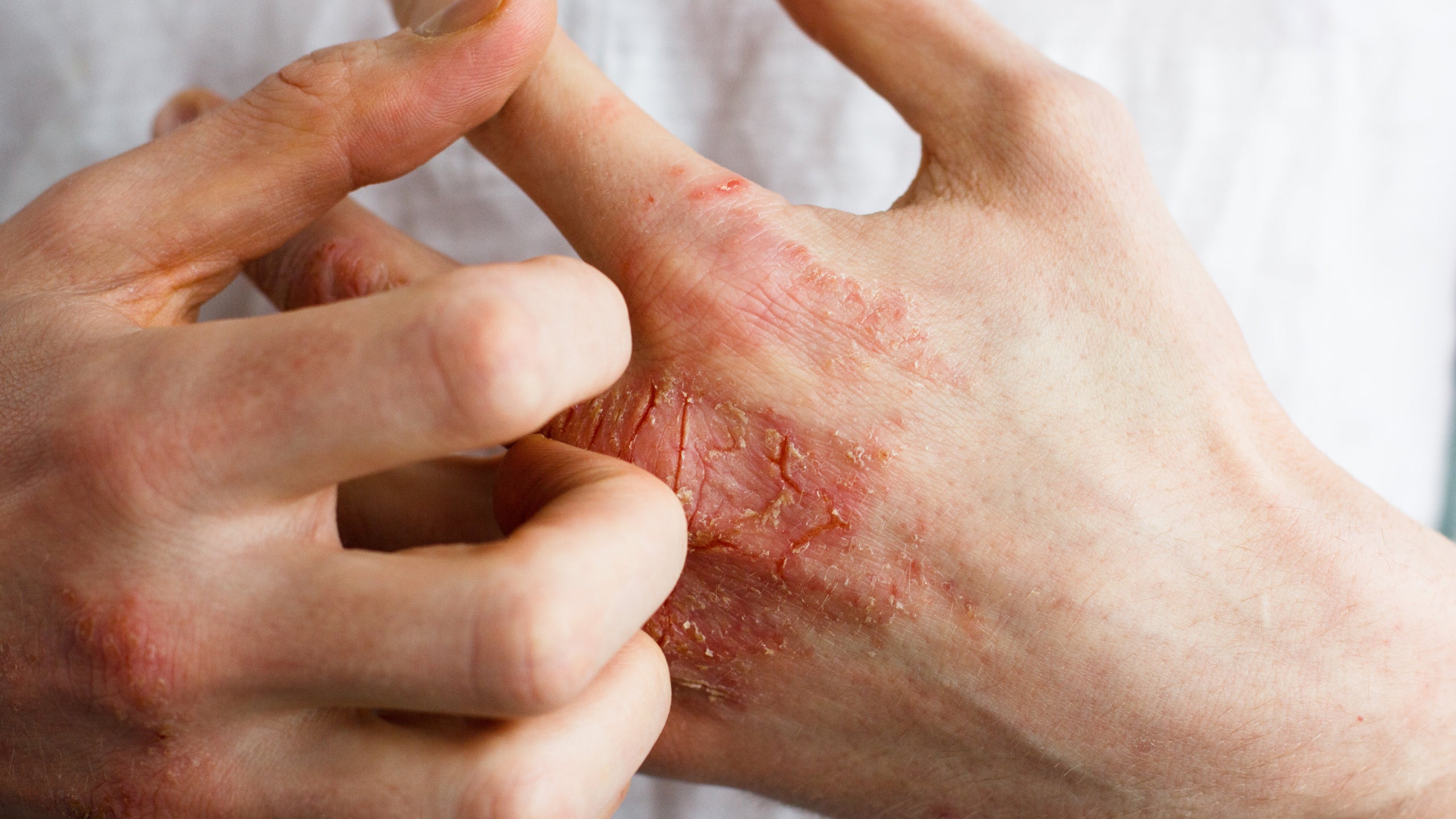
Dermatological pathomimicry occurs when a patient intentionally worsens an existing skin disease.
Unlike dermatitis artefacta, these patients exacerbate a pre-existing condition rather than create a new one.
Clinical Features
-
Delayed healing of surgical wounds due to intentional interference.
-
Exaggeration of skin reactions following minor trauma.
-
Recurrent unexplained flares of chronic skin diseases such as:
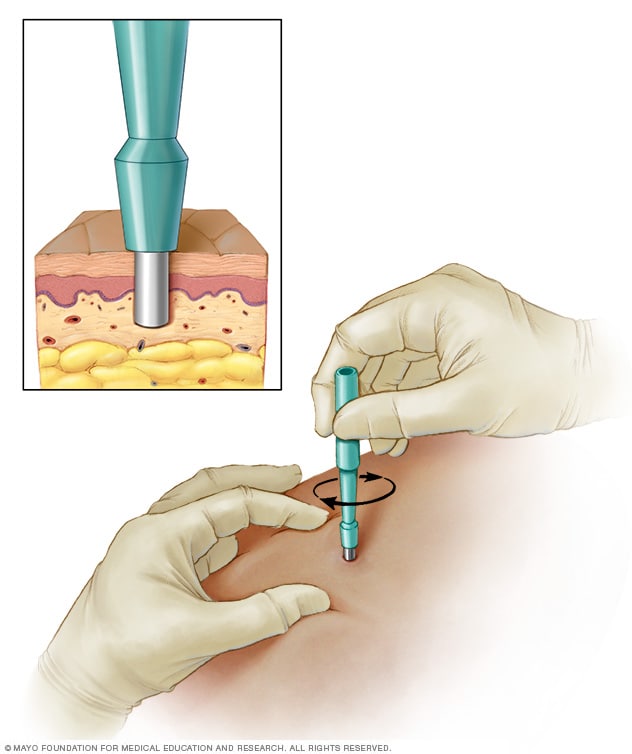
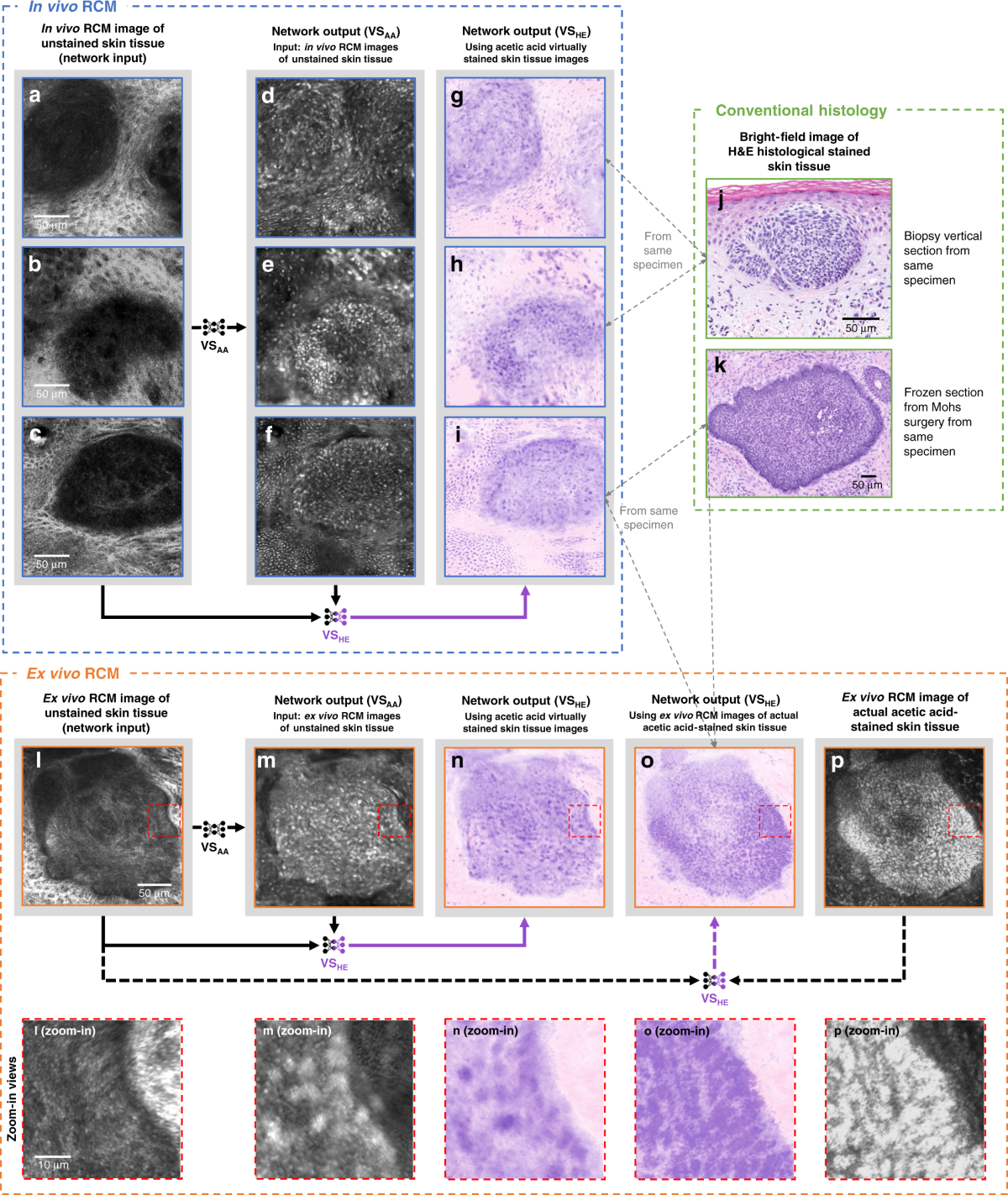
Diagnosis

4
Management
-
Cognitive Behavioral Therapy (CBT).
-
Habit Reversal Therapy (HRT).
-
SSRIs or mood stabilizers in resistant cases.
-
Supervised skin care with clear treatment protocols.
Summary
-
Factitious skin disease involves intentional self-inflicted skin lesions without external rewards.
-
Dermatitis artefacta:
Self-inflicted skin damage, often hidden from doctors.
-
Dermatitis simulata:
Imitation of skin disease without actual damage.
-
Dermatological pathomimicry:
Intentional worsening of an existing skin disease.
-
Management requires a psychodermatology MDT, including:
 Continue with Google