Topic Overview
Detailed Notes on Mycobacterium kansasii Infection
Definition and General Description


Definition
Definition: A slow-growing, photochromogenic bacterium of Runyon Group I that causes both pulmonary and cutaneous infections.
Characteristics
-
Most common in urban and industrial areas, particularly southern/central USA, southeast England, and northern France.
-
Tap water serves as the primary reservoir, with no evidence of person-to-person transmission.
-
Subtype 1, identified via PCR-RFLP of the hsp65 gene, is most commonly associated with clinical disease.
Epidemiology


-
Incidence: A common NTM species isolated from clinical specimens, but cutaneous cases are rare.
-
Demographics:
Primarily affects middle-aged white men but can occur in adults of any age, sex, or race.
-
Risk Factors:
Associated with impaired immunity (e.g., HIV, malignancies, corticosteroid use) or occupational exposure to dust in miners, welders, and painters.
Pathophysiology


Predisposing Factors
Pathology
-
Histologically, granulomatous inflammation resembling tuberculosis.
-
Mixed inflammatory infiltrates with acid-fast bacilli; can present with necrosis, abscess formation, or cellulitis.
Clinical Features


Presentation
Cutaneous lesions:
Systemic involvement:
Complications
Investigations

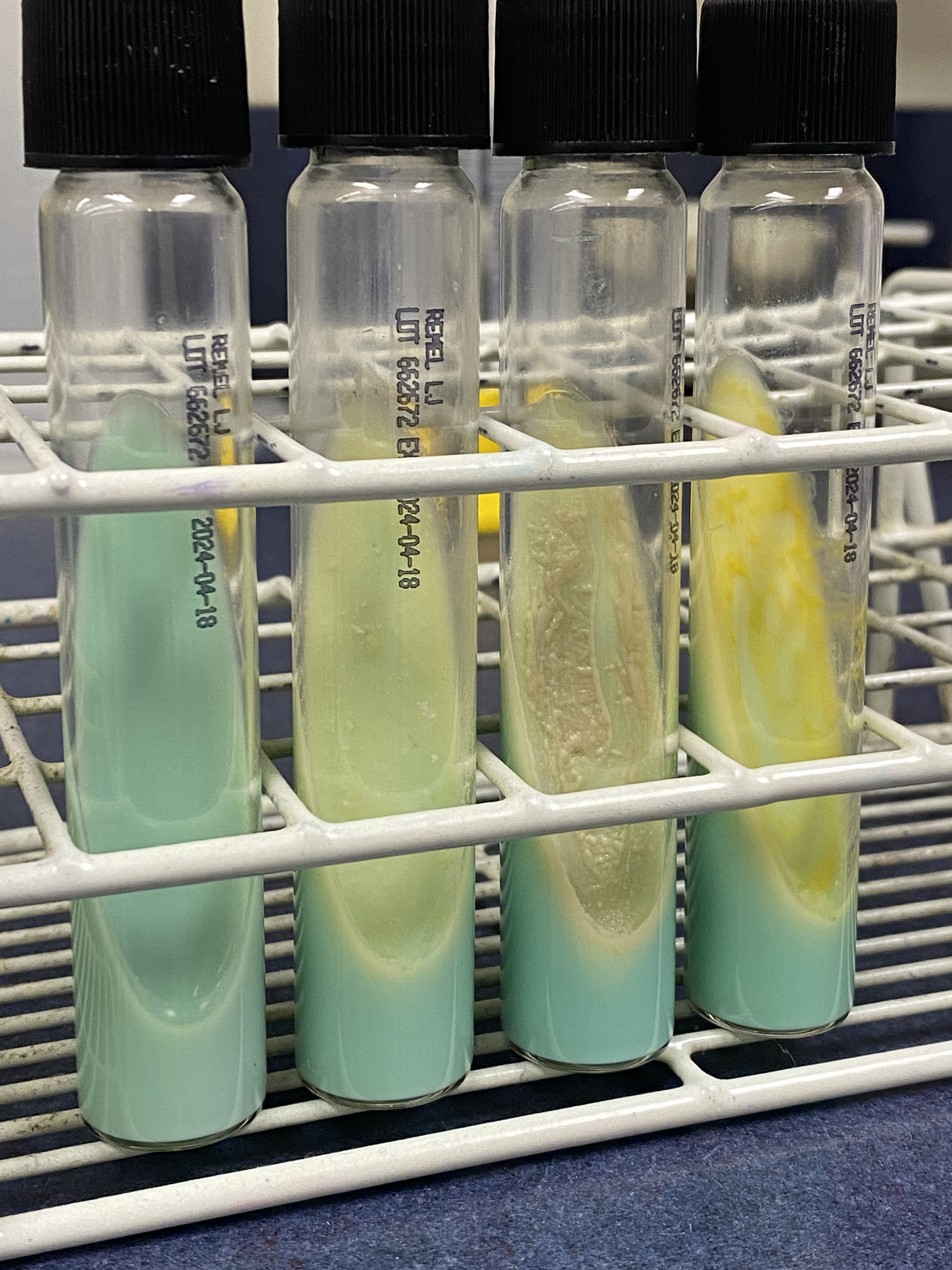

Culture and Staining
PCR
Management




First-Line Therapy
-
Combination therapy with isoniazid, rifampicin, and ethambutol for 18 months.
-
Sensitivity testing advised to optimize therapy.
Second-Line Options
Third-Line Therapy
For resistant cases:
-
Clarithromycin
-
Levofloxacin
-
Moxifloxacin
-
Linezolid
Prognosis



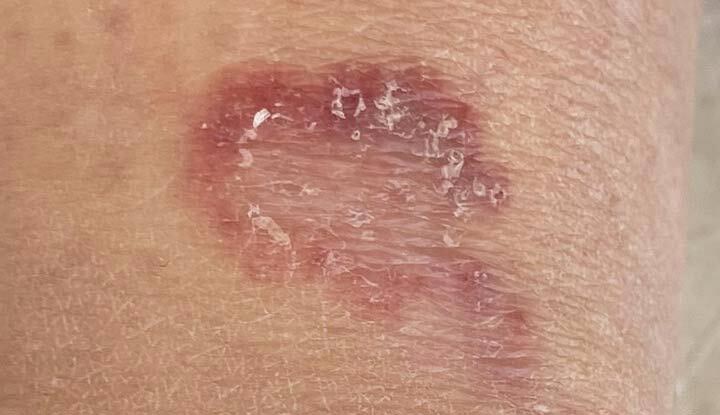
Localized Disease
Disseminated Disease
These detailed notes capture the essential clinical, diagnostic, and therapeutic aspects of Mycobacterium kansasii infection.
Ready to study offline?
Get the full PDF version of this chapter.
 Continue with Google