Some Physico-chemical Laws Applied to Physiology (Biophysics)
Some Physico-chemical Laws Applied to Physiology (Biophysics)


• Biophysics deals with application of physical and chemical laws to biological systems.
• Many physiological processes follow physico-chemical principles.
• Important processes include:
• Diffusion
• Filtration
• Osmosis
• Electrolyte balance.
• These laws explain movement of substances across biological membranes.
Units of Concentration of Solutions


• Concentration expresses amount of solute dissolved in a solvent.
• Important units used in physiology include:
• Molarity – number of moles of solute per litre of solution.
• Normality – number of gram equivalents per litre of solution.
• Percentage concentration – grams of solute in 100 mL of solution.
• Osmolarity – concentration of osmotically active particles.
• These units are useful in physiological and clinical calculations.
Ions, Electrolytes and Non-electrolytes


• Substances in solution may exist as ions or molecules.
• Based on their dissociation in water they are classified as:
• Ions
• Electrolytes
• Non-electrolytes.
Ions
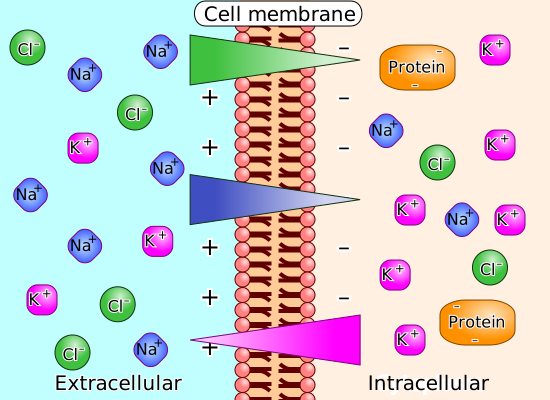
• Ions are electrically charged particles formed by dissociation of substances in solution.
• Positive ions (cations) – sodium (Na⁺), potassium (K⁺), calcium (Ca²⁺).
• Negative ions (anions) – chloride (Cl⁻), bicarbonate (HCO₃⁻).
• Ions are essential for nerve conduction, muscle contraction and fluid balance.
Electrolytes
• Electrolytes are substances that dissociate into ions in aqueous solution.
• They conduct electric current when dissolved in water.
• Examples include sodium chloride, potassium chloride and calcium salts.
• Electrolytes are important for osmotic balance and physiological functions.
Non-electrolytes
• Non-electrolytes do not dissociate into ions in solution.
• They remain as uncharged molecules.
• Examples include glucose, urea and alcohol.
• They do not conduct electric current in solution.
Filtration


• Filtration is movement of fluid and dissolved substances through a membrane due to pressure difference.
• Driven mainly by hydrostatic pressure.
• Occurs across capillary walls and kidney glomerulus.
Physiological Importance of Filtration
• Important in formation of tissue fluid from capillaries.
• Essential in glomerular filtration in kidneys.
• Helps remove waste products from blood.
Diffusion


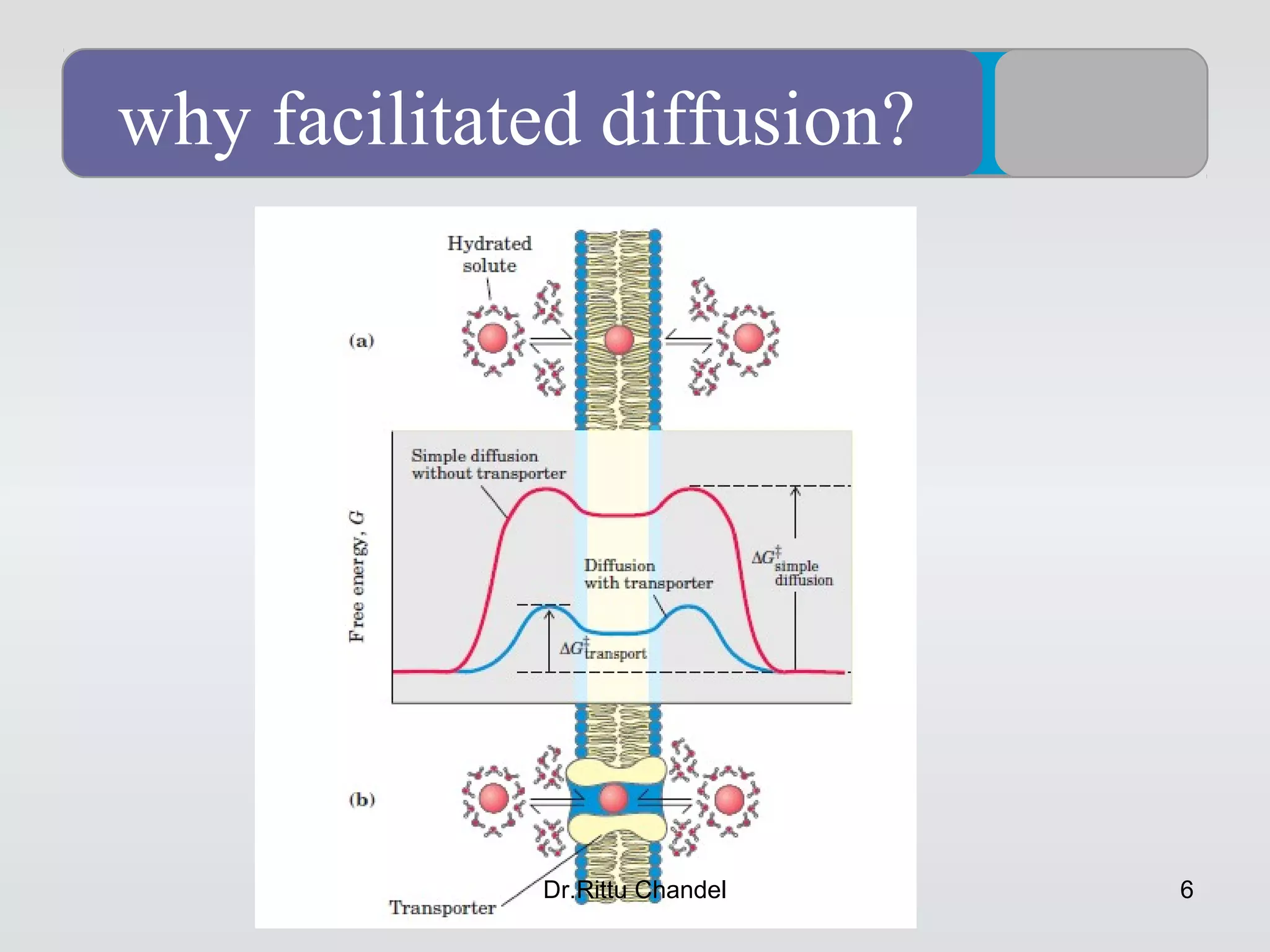
• Diffusion is movement of molecules from higher concentration to lower concentration.
• Occurs due to random molecular motion.
• Does not require energy expenditure.
• Continues until equilibrium is reached.
• Examples in physiology:
• Exchange of oxygen and carbon dioxide in lungs.
• Movement of solutes across cell membranes.
Concentration


• Concentration refers to the amount of solute present in a given volume of solution.
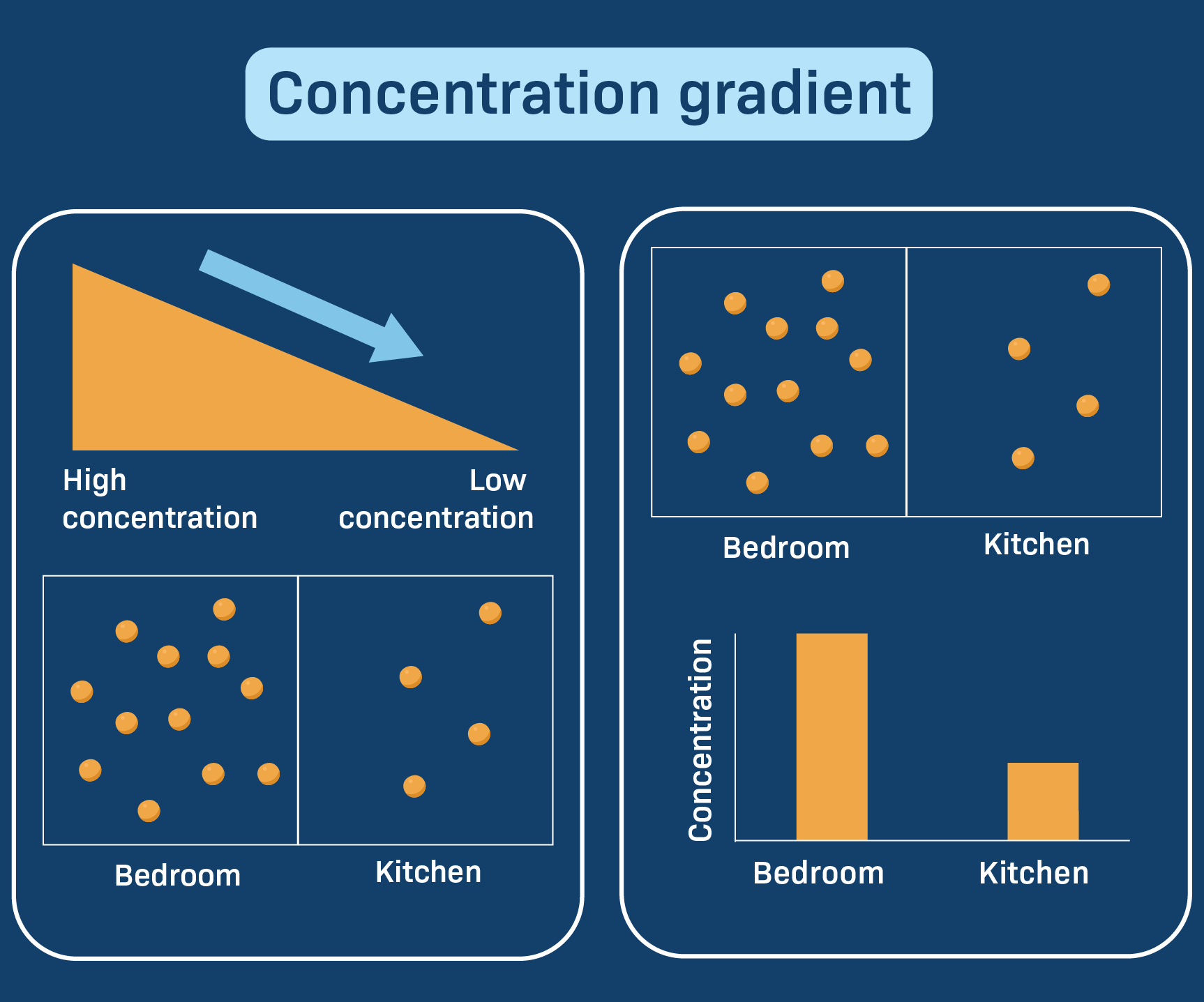
• A concentration gradient exists when two regions have different solute concentrations.
• Diffusion occurs along this gradient from higher to lower concentration.
• Concentration gradient is a major driving force for diffusion in physiological processes.
Biology often looks complicated, but at its core it obeys the same simple rules as chemistry and physics: particles drift from crowded places to emptier ones, pressure pushes fluids through filters, and electric charges guide ions—life simply organizes these basic forces into astonishingly complex systems.
 Continue with Google